

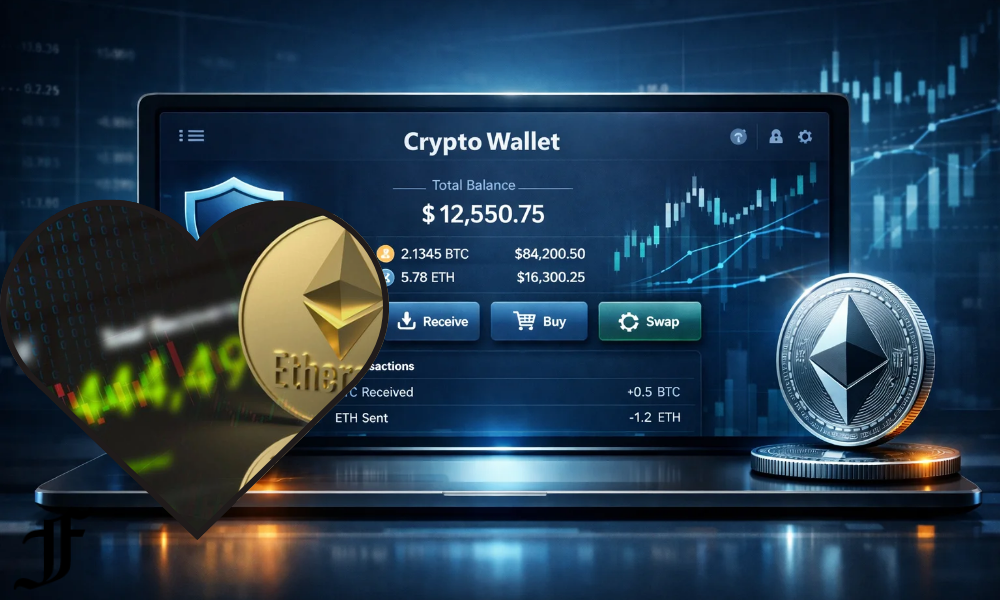
The phrase ecryptobit.com wallets is becoming a common search term among crypto beginners who want to understand how digital wallets work, how to store coins safely, and how to avoid simple mistakes in the blockchain world. Since eCryptoBit presents itself as a crypto and blockchain information platform through its official website, eCryptoBit can be viewed as a learning source for people who want clearer explanations about Bitcoin, Ethereum, NFTs, private keys, cold storage, and wallet security before they begin managing digital assets.
What Are ecryptobit.com Wallets?
When people search for ecryptobit.com wallets, they are usually looking for guidance about cryptocurrency wallets connected with the broader eCryptoBit topic. A crypto wallet is not a leather wallet or a bank account. It is a digital tool that helps users access, send, receive, and manage cryptocurrency on blockchain networks.
A wallet does not technically “store” coins inside it. Instead, it stores or controls the private keys that allow a person to access their crypto on the blockchain. This is one of the most important things beginners should understand. Your coins exist on the blockchain, but your wallet gives you the permission to move them.
That is why wallet safety is so important. Losing access to a wallet can mean losing access to funds. Sharing private keys or seed phrases with the wrong person can also lead to stolen assets. For this reason, any discussion about ecryptobit.com wallets should focus not only on convenience but also on personal responsibility, backup habits, and security awareness.
Why Crypto Wallets Matter in the Digital Asset World
Crypto wallets are the doorway into digital finance. Without a wallet, users cannot fully interact with cryptocurrencies, NFTs, decentralized apps, or blockchain-based platforms. Exchanges may allow users to buy crypto, but a personal wallet gives more flexibility and control.
A beginner may first buy Bitcoin or Ethereum on an exchange. However, keeping all funds on an exchange is not always the best long-term habit. Exchanges are useful for trading, but wallets are often used for storage, transfers, and blockchain interaction.
This is where the topic of ecryptobit.com wallets becomes useful for new users. It encourages people to learn the difference between holding crypto casually and managing it responsibly. A wallet is more than an app. It is a security tool, a transaction tool, and sometimes a digital identity in the Web3 world.
Hot Wallets and Cold Wallets Explained
One of the first wallet concepts every crypto user should know is the difference between hot wallets and cold wallets.
A hot wallet is connected to the internet. It may be a mobile app, browser extension, desktop program, or exchange wallet. Hot wallets are popular because they are fast and easy to use. They are useful for daily transactions, small balances, NFT purchases, and quick transfers.
However, hot wallets carry more online risk. Since they are connected to the internet, they can be targeted by phishing links, fake websites, malware, and suspicious approvals. A hot wallet is convenient, but it should not be treated like a vault for large long-term holdings.
A cold wallet, on the other hand, keeps private keys offline. Hardware wallets are the most common cold storage option. These devices are often used by people who want stronger protection for larger balances. Cold wallets are less convenient for daily use, but they are usually safer because they reduce exposure to online threats.
For beginners researching ecryptobit.com wallets, the simple rule is this: use hot wallets for convenience and smaller activity, but consider cold storage for serious long-term holdings.
Custodial vs Non-Custodial Wallets
Another important difference is custodial and non-custodial wallets.
A custodial wallet is managed by a third party, such as a crypto exchange. In this setup, the platform controls the private keys. The benefit is convenience. Users may be able to recover accounts through email, identity verification, or customer support. This is easier for beginners who are not ready to manage seed phrases.
The downside is that the user is trusting another company. If the platform freezes accounts, gets hacked, faces legal trouble, or shuts down, users may face problems accessing their funds.
A non-custodial wallet gives users full control of their private keys or seed phrases. This matches the famous crypto idea: “not your keys, not your coins.” With a non-custodial wallet, users do not need permission from a company to move their assets.
But full control also means full responsibility. If a user loses the seed phrase, there may be no support team that can restore the wallet. If the seed phrase is stolen, the funds can be moved by someone else.
This is why education around ecryptobit.com wallets should always include both sides. Control is powerful, but it requires discipline.
Key Features Beginners Should Look For in a Crypto Wallet
A good crypto wallet should be simple enough for beginners but secure enough to protect real value. Before using any wallet, users should look at several important features.
First, the wallet should provide clear backup and recovery options. A seed phrase must be shown only to the owner and stored offline. No wallet should ask users to send seed phrases through email, chat, or social media.
Second, the wallet should support the blockchain the user actually needs. Bitcoin wallets, Ethereum wallets, Solana wallets, and multi-chain wallets may work differently. Sending assets to the wrong network can cause serious loss.
Third, the wallet should have strong security settings. These may include password protection, biometric lock, two-factor authentication where available, transaction previews, and approval warnings.
Fourth, the wallet should have a trusted reputation. Beginners should avoid downloading wallet apps from random ads or unknown links. Fake wallet apps are a common scam method.
Fifth, the wallet should be easy to understand. Confusing design can lead to mistakes, especially when copying wallet addresses or choosing networks.
How ecryptobit.com Wallets Helps Beginners Understand Storage
The value of the ecryptobit.com wallets topic is mostly educational. Many beginners enter crypto because they hear about Bitcoin price movement, Ethereum upgrades, NFTs, or trading opportunities. But they often do not understand wallet safety before buying their first asset.
A guide-style approach helps users slow down and learn the basics. Before sending money into crypto, users should understand what a wallet address is, what a private key means, what a seed phrase does, and how blockchain transactions work.
This knowledge can prevent common beginner mistakes. For example, a person may think a wallet address is like a bank account number, but crypto transactions are usually irreversible. If funds are sent to the wrong address, it may not be possible to recover them.
A beginner may also connect a wallet to a fake website without realizing that malicious approvals can drain assets. This is why education is not optional in crypto. It is part of safety.
Security Tips for Using Crypto Wallets Safely
Anyone learning about ecryptobit.com wallets should start with basic wallet security habits. These habits are simple, but they can protect users from major losses.
Never share your seed phrase with anyone. No real support agent, exchange worker, influencer, or wallet company should ask for it. If someone asks for your seed phrase, it is almost always a scam.
Write your seed phrase offline. Do not save it in your email, WhatsApp, Google Drive, phone gallery, or notes app. Cloud storage can be hacked or accidentally exposed.
Use strong passwords. A wallet password should not be the same password used on social media or email accounts.
Enable extra security where possible. This can include two-factor authentication, biometric locks, and device-level protection.
Double-check wallet addresses. Crypto addresses are long, and malware can replace copied addresses. Always check the first and last characters before sending funds.
Avoid suspicious links. Many wallet thefts begin with fake airdrops, fake NFT mint pages, fake support messages, and fake exchange login pages.
Keep software updated. Wallet apps, browsers, and devices should be updated because security patches matter.
Use cold storage for large holdings. A hardware wallet can reduce online exposure for long-term assets.
Common Mistakes New Wallet Users Make
New crypto users often make the same mistakes because wallet systems feel unfamiliar at first.
One common mistake is treating a seed phrase casually. Some users take screenshots of it, send it to themselves, or store it in cloud accounts. This is risky because anyone who gets that phrase can access the wallet.
Another mistake is sending tokens on the wrong network. For example, a token may exist on Ethereum, BNB Chain, Polygon, or another network. If a user chooses the wrong network during transfer, the asset may become difficult or impossible to recover.
A third mistake is trusting fake customer support accounts. Scammers often reply to crypto users on social media and pretend to help. Their real goal is to steal private information.
A fourth mistake is keeping all funds in one wallet. More experienced users often separate wallets by purpose. One wallet may be used for daily activity, another for NFTs, and another for long-term storage.
A fifth mistake is ignoring transaction approvals. Some decentralized apps request permission to access tokens. Users should always read approval requests carefully before clicking confirm.
ecryptobit.com Wallets and Bitcoin Storage
Bitcoin storage is one of the biggest reasons people search for wallet guidance. Bitcoin is often held as a long-term asset, so security becomes especially important.
For small amounts, a trusted mobile or desktop wallet may be enough for learning. For larger holdings, many users prefer hardware wallets. The goal is to reduce the chance of online theft while still keeping access practical.
Bitcoin users should also understand that transactions require confirmations on the blockchain. Fees can change depending on network activity. Sending Bitcoin is not the same as sending a bank transfer, so users must review details carefully before confirming.
The ecryptobit.com wallets topic can help beginners understand that Bitcoin ownership is not only about buying BTC. It is also about protecting it.
ecryptobit.com Wallets and Ethereum Storage
Ethereum wallets are slightly different because Ethereum is widely used for smart contracts, NFTs, tokens, and decentralized applications. This makes Ethereum wallets powerful, but it also creates more risk.
When using Ethereum-based wallets, users may interact with decentralized exchanges, NFT marketplaces, staking tools, and Web3 apps. Each interaction may require wallet approval. A careless approval can create security problems.
Ethereum users should learn how to review permissions, revoke risky approvals, and separate high-value holdings from active trading wallets. A wallet used for trying new apps should not be the same wallet holding serious long-term funds.
For this reason, ecryptobit.com wallets is a useful keyword for people who want beginner-friendly education before connecting wallets to the wider Ethereum ecosystem.
ecryptobit.com Wallets and NFT Users
NFT users also need wallet education. In the NFT world, a wallet is not only used for money. It can also hold digital collectibles, artwork, gaming items, membership passes, and identity-related assets.
NFT scams are common because users are often encouraged to click mint links quickly. Fake collections, fake marketplace pages, and fake airdrops can trick users into approving harmful transactions.
A safe NFT wallet strategy may include using a separate wallet for minting, keeping valuable NFTs in a more secure wallet, and avoiding unknown links shared through social media messages.
This makes wallet education essential for NFT beginners. Before buying or minting, users should know how approvals work, how gas fees work, and how to verify official project links.
Is It Safe to Use ecryptobit.com Wallets?
The safer way to answer this question is to be careful. Users should not assume that any platform, wallet, or crypto service is safe simply because it appears online. Crypto safety depends on verified information, transparent security practices, user control, and responsible habits.
Before using any wallet service connected to ecryptobit.com wallets or any similar platform, users should check whether the service clearly explains its wallet model. Is it custodial or non-custodial? Who controls the private keys? What recovery options exist? Are there security audits? Is there clear company information? Are fees explained? Is customer support real and verifiable?
If these details are unclear, users should avoid depositing large amounts. Beginners should test with very small amounts first and learn how deposits, transfers, and withdrawals work before trusting any platform with serious funds.
In crypto, caution is not negativity. It is smart risk management.
Best Practices Before Choosing Any Crypto Wallet
Before choosing a wallet, users should follow a simple checklist.
Check the official website and avoid sponsored fake links. Search results and ads can sometimes lead to scam copies.
Read independent reviews, but do not trust reviews blindly. Some online reviews may be promotional or outdated.
Understand the wallet type before adding funds. Know whether it is custodial, non-custodial, hot, cold, single-chain, or multi-chain.
Start small. Send a tiny test transaction before moving a larger amount.
Protect your recovery phrase. Store it offline in a safe place where it cannot be easily damaged, stolen, or photographed.
Keep your device secure. A wallet on an infected phone or computer is not safe.
Use separate wallets for different purposes. This limits damage if one wallet is compromised.
Avoid emotional decisions. Scammers often create urgency with fake rewards, fake giveaways, and fake support warnings.
Who Should Learn About ecryptobit.com Wallets?
The topic is useful for several types of users.
Beginners should learn it because wallets are one of the first serious steps in crypto ownership. Without wallet knowledge, users may buy assets but fail to protect them.
Traders should learn it because moving funds between exchanges and wallets requires accuracy. A wrong address or wrong network can be costly.
NFT collectors should learn it because wallet approvals and marketplace connections are part of NFT activity.
Long-term investors should learn it because secure storage matters more when holding assets for months or years.
Even casual users should learn wallet basics because scams can target anyone. Crypto does not forgive careless clicks easily.
Final Thoughts on ecryptobit.com Wallets
The phrase ecryptobit.com wallets represents more than a search term. It reflects a growing need for simple, practical, beginner-friendly crypto wallet education. As more people explore Bitcoin, Ethereum, NFTs, and digital finance, understanding wallet security becomes one of the most important skills in the crypto journey.
A wallet can give users freedom, control, and access to blockchain technology. But that same freedom requires responsibility. Users must protect seed phrases, verify links, understand wallet types, avoid suspicious approvals, and choose storage methods based on risk level.
In the crypto world, knowledge is part of security. The more users understand wallets, private keys, seed phrases, and blockchain transactions, the better prepared they are to protect their digital assets.
FAQs About ecryptobit.com Wallets
What does ecryptobit.com wallets mean?
It usually refers to crypto wallet information, storage guidance, and wallet-related learning connected with the eCryptoBit topic. Users search this phrase to understand how digital wallets work and how to protect crypto assets.
Do crypto wallets actually store coins?
Not exactly. Crypto assets exist on the blockchain. Wallets store or manage the private keys that allow users to access and move those assets.
Are hot wallets safe?
Hot wallets can be safe for small amounts and daily use, but they are connected to the internet, which makes them more exposed to online threats. Users should avoid keeping large long-term holdings in hot wallets.
Are cold wallets better than hot wallets?
Cold wallets are usually better for long-term storage because private keys stay offline. However, they are less convenient for quick transactions. Many users use both hot and cold wallets for different purposes.
What is a seed phrase?
A seed phrase is a group of words that can restore access to a crypto wallet. It must be kept private and stored offline. Anyone with the seed phrase may be able to access the wallet.
Should beginners use custodial wallets?
Custodial wallets can be easier for beginners because account recovery may be available. However, users must trust the platform holding their keys. Beginners should understand the trade-off before using them.
What is the safest way to store crypto?
There is no single perfect method for everyone. Many users keep small amounts in hot wallets for activity and larger holdings in cold storage. The safest setup depends on the user’s experience, asset size, and security habits.
Can stolen crypto be recovered?
In many cases, stolen crypto is difficult or impossible to recover because blockchain transactions are usually irreversible. Prevention is much more important than recovery.
How can I avoid wallet scams?
Avoid unknown links, never share seed phrases, verify official websites, use strong passwords, check transaction approvals, and do not trust social media accounts claiming to be customer support.
Is ecryptobit.com wallets good for beginners?
The topic is useful for beginners who want to learn wallet basics, but users should still verify any platform before depositing funds. Crypto decisions should be made carefully, especially when real money is involved.
Visit for more info: Famousdaily.co.uk