

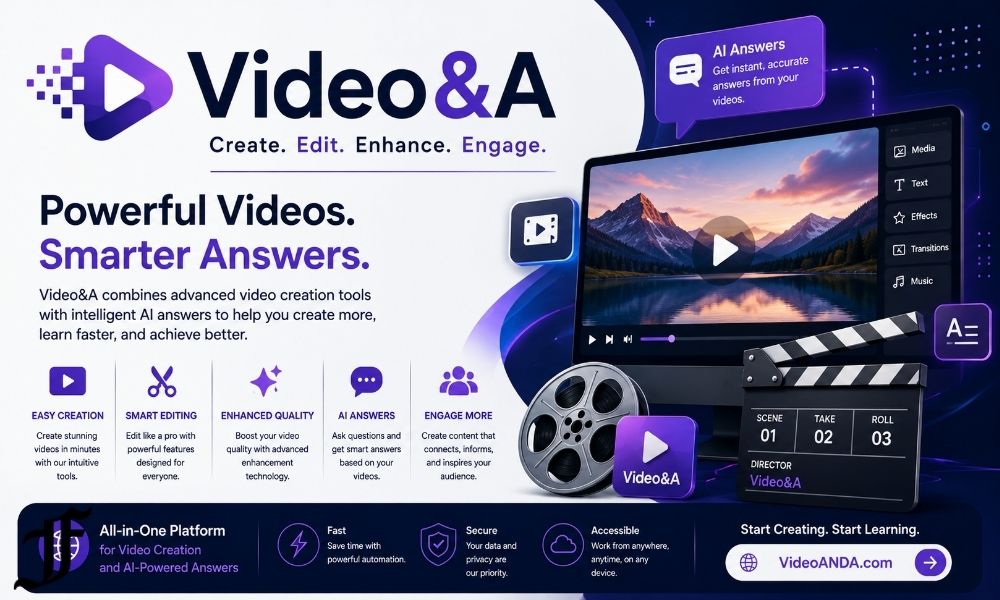
Video&A is an emerging digital keyword that usually means Video and Answers, a modern content format where video is used to explain, answer, teach, guide, or respond to user questions in a more engaging way than plain text. The idea is closely connected with Video&A tools and video-to-text platforms, where creators, businesses, teachers, and marketers use videos, AI editing, transcription, captions, summaries, and interactive Q&A to make information easier to understand. In a world where people want fast answers and visual explanations, Video&A is becoming a useful concept for digital communication.
What Is Video&A?
Video&A is best understood as a combination of video and answers. It can refer to video-based Q&A content, interactive video responses, AI-powered video answers, video-to-text systems, or digital tools that help users create, edit, and repurpose video content.
In simple words, Video&A means answering questions through video.
Instead of writing only a long article or FAQ page, a creator can record a short video answering a question. A business can create a product explainer. A teacher can answer student doubts. A doctor, lawyer, coach, or consultant can create educational video responses. AI tools can also help turn text into video, video into text, or long videos into short answer clips.
This makes Video&A useful for modern content creators and businesses.
Why Is Video&A Becoming Popular?
Video&A is becoming popular because people prefer quick, visual, and simple explanations. Many users do not want to read long pages when they can watch a short answer in video form. Video feels more personal because viewers can see facial expressions, demonstrations, screen recordings, gestures, and real examples.
Social media has also changed user behavior. Platforms like YouTube, TikTok, Instagram, Facebook, and LinkedIn have made video a normal part of learning and communication. People now search for answers in video format because it feels faster and easier.
Video&A fits this trend perfectly. It gives users answers, but in a more engaging and memorable way.
Video&A as Video and Answers
The most direct meaning of Video&A is “Video and Answers.” This means using video as the main format for answering questions.
For example, a user may ask: “How do I fix this WordPress error?” Instead of replying with only text, a creator can make a screen-recorded video showing the steps. This is Video&A.
A student may ask: “How does photosynthesis work?” A teacher can answer through a short animated video. This is also Video&A.
A customer may ask: “How do I use this product?” A company can create a product demo video. That is another example of Video&A.
The core idea is simple: answer through video.
Video&A and AI Tools
AI has made Video&A more powerful. In the past, creating videos required cameras, editing software, lighting, microphones, and technical skills. Today, AI tools can help with scripts, voiceovers, subtitles, avatars, video summaries, translations, and editing.
AI can turn a written answer into a video script. It can generate captions automatically. It can convert long videos into short clips. It can transcribe spoken words into text. It can also help create training videos without traditional filming.
This makes Video&A easier for small businesses, bloggers, educators, and creators who do not have large production teams.
Video&A and Video-to-Text Conversion
Video&A is also closely connected with video-to-text conversion. This means turning spoken words in a video into written text. The text can then be used as captions, transcripts, blog posts, summaries, subtitles, or social media captions.
Video-to-text is useful because it helps people who prefer reading, people with hearing difficulties, and users who want to quickly scan the content. It also helps search engines understand what a video is about.
For creators, video-to-text saves time. A long video can be turned into an article, newsletter, quote post, or FAQ section. This makes one video useful in many formats.
Video&A and Interactive Q&A
Interactive Q&A is one of the strongest ideas behind Video&A. In a normal video, viewers watch passively. In an interactive Video&A system, users may ask questions, click choices, search within a video, or receive targeted answers.
This can make learning and customer support much better. Instead of watching a full 30-minute video, a user can jump directly to the answer they need.
For example, a training platform may let users ask questions about a lesson and receive a video-based answer. A company help center may provide video responses to common customer problems. A course platform may allow students to search inside recorded lectures.
This makes video smarter and more useful.
Video&A in Education
Video&A has strong value in education. Students often understand better when they see and hear an explanation instead of only reading notes. Teachers can use video answers to explain difficult topics, solve problems, show experiments, or review lessons.
For online learning, Video&A can improve student engagement. A student can ask a question and receive a short video explanation. This feels more personal than a written reply.
Video&A can also help students revise. A teacher can create a library of video answers for common questions. Students can watch them anytime before exams or assignments.
Video&A for Online Courses
Online course creators can use Video&A to improve course quality. Many students drop out of online courses because they feel unsupported. Video answers can solve this problem.
A course creator can record responses to common questions. They can add video FAQs under each lesson. They can create short clips explaining difficult points. They can also use AI tools to generate captions and transcripts.
This makes the course more helpful. It also reduces repeated support messages because students can find answers inside the course.
Video&A for Businesses
Businesses can use Video&A to answer customer questions more effectively. Customers often ask the same things again and again: How does the product work? What is included? How do I install it? How do I return it? How do I choose the right package?
Instead of replying one by one, businesses can create Video&A content. A short video can answer a question clearly and save time for both the customer and support team.
This works especially well for software companies, e-commerce stores, service providers, real estate agents, healthcare clinics, education companies, and digital agencies.
Video&A for Customer Support
Customer support becomes easier when users can see the solution. A written answer may not be enough if the user needs to click buttons, set up a product, or follow technical steps.
Video&A can show the exact process. A screen recording can guide users step by step. A product demo can show how to assemble or use an item. A short troubleshooting video can reduce confusion.
This improves customer satisfaction because users get faster and clearer help. It can also reduce support tickets, saving time for the company.
Video&A for Marketing
Marketing is about attention, trust, and action. Video&A can help with all three. When a brand answers real customer questions through video, it builds trust. People feel that the company understands their needs.
For example, a skincare brand can answer “How do I use this serum?” A software company can answer “Which plan is best for beginners?” A fitness coach can answer “How many workouts should I do per week?”
These answers can become social media posts, YouTube videos, website FAQs, email content, and ad creatives.
Video&A turns common questions into marketing assets.
Video&A for SEO
Video&A can also support SEO. Search engines want to show helpful answers. If a website includes useful video answers, transcripts, headings, and structured content, it can improve user experience and content depth.
A video answer page can include the video, a written transcript, key points, related questions, and internal links. This creates a strong content page that serves both viewers and readers.
Video&A is especially useful for long-tail keywords. Many people search full questions, such as “how to fix slow laptop,” “how to apply for PGCE in the UK,” or “how to start a WordPress blog.” Video answers can target these questions naturally.
Video&A and YouTube
YouTube is one of the biggest platforms for Video&A content. Many users go to YouTube when they want answers. Tutorials, reviews, explainers, comparisons, and how-to videos all fit the Video&A format.
Creators can build channels around answering niche questions. For example, a tech creator can answer software problems. A dentist can answer oral health questions. A finance creator can explain money topics. A teacher can solve exam questions.
The more useful the answers, the more trust the creator can build.
Video&A and Social Media
Short-form video platforms are perfect for Video&A. A creator can take one question and answer it in 30 to 60 seconds. This format works well on TikTok, Instagram Reels, Facebook Reels, YouTube Shorts, and LinkedIn video.
Short Video&A posts are powerful because they feel direct. The question creates curiosity, and the answer gives value quickly.
For example:
“What is Video&A?”
“Why is my website not ranking?”
“How do I write a better meta description?”
“What is the best time to post on Instagram?”
Each question can become a short video.
Video&A and Personal Branding
Personal branding depends on showing expertise. Video&A is one of the best ways to do that. When a person answers questions on video, viewers can hear their voice, see their confidence, and understand their style.
This works for coaches, consultants, designers, doctors, lawyers, teachers, marketers, real estate agents, and freelancers. Answering questions builds authority.
A person who consistently answers useful questions becomes known as a helpful expert. This can lead to more followers, clients, leads, and trust.
Video&A and Podcasts
Video&A can also work with podcasts. Many podcasts now record video, not just audio. Hosts can answer audience questions in short video clips, then share those clips on social media.
A full podcast episode can become many Video&A clips. Each clip answers one question. This helps repurpose long content into smaller, searchable pieces.
For example, a 60-minute podcast can produce 10 short Video&A clips. Each clip can bring new viewers to the full episode.
Video&A and Webinars
Webinars often include question-and-answer sections. These Q&A parts are valuable because they answer real audience concerns. Instead of letting that content disappear after the webinar, businesses can turn it into Video&A content.
Each question can become a short clip. The clips can be uploaded to YouTube, added to a help center, shared in emails, or used as social posts.
This is a smart way to reuse content. It saves time and gives the audience helpful answers.
Video&A and Live Streaming
Live streaming is another powerful format for Video&A. Creators and businesses can go live and answer audience questions in real time. This creates engagement and trust.
Live Video&A works well for product launches, coaching sessions, education, tech support, interviews, community events, and expert discussions.
After the live session ends, the recording can be edited into smaller clips. This turns one live event into many pieces of content.
Video&A and Accessibility
Accessibility is important in digital content. Video&A can become more accessible when it includes captions, transcripts, clear audio, readable visuals, and simple language.
Captions help people who cannot hear the audio or who are watching without sound. Transcripts help people who prefer reading. Clear visuals help users understand the answer faster.
A good Video&A strategy should not only focus on video. It should also make sure the content is easy for different users to access and understand.
Video&A and Multilingual Content
Video&A is useful for multilingual content. AI tools can translate captions, create subtitles, or even generate voiceovers in different languages. This allows one video answer to reach more audiences.
For global businesses, this is valuable. A company can answer a common customer question once and then translate it for different markets.
However, translations should be checked carefully. Bad translation can create confusion or damage trust. Human review is still important, especially for medical, legal, financial, or technical topics.
Video&A and Trust
Trust is one of the biggest advantages of Video&A. A written answer may feel anonymous, but a video feels more human. Viewers can see the person explaining the answer, which can create stronger connection.
For businesses, trust can improve conversions. For teachers, trust can improve learning. For creators, trust can increase followers. For experts, trust can bring clients.
This is why video answers are so powerful. They do not only give information. They also show personality.
Video&A and AI Avatars
AI avatars are becoming common in video creation. A business can type a script and use an AI avatar to present the answer. This can be useful for training videos, onboarding, tutorials, and multilingual content.
However, AI avatars should be used honestly. Viewers should not be misled into thinking an AI presenter is a real person. The content should still be accurate and helpful.
AI avatars can save time, but human review is essential. The best Video&A content combines speed with quality.
Video&A and Content Repurposing
Content repurposing means turning one piece of content into many formats. Video&A is perfect for this.
One video answer can become a blog paragraph, FAQ answer, transcript, social post, newsletter tip, infographic, podcast clip, or short video. This helps creators get more value from each idea.
For example, a company can record a 10-minute Q&A video. Then it can create 10 short clips, one blog post, one email newsletter, and several social captions from the same content.
This makes Video&A efficient for content marketing.
How to Create Good Video&A Content
Good Video&A content starts with a real question. The question should be something your audience actually asks. Then the answer should be clear, short, and useful.
Start by stating the question. Then answer directly. Use examples if needed. Keep the video focused on one topic. Add captions. Include a clear title. End with a helpful next step.
Avoid making the video too long. People watching answer-based content usually want quick value. A short, clear answer is better than a long confusing one.
Best Tools for Video&A
Video&A content can be created with many types of tools. You may use video editors, screen recorders, AI video makers, transcription tools, subtitle tools, teleprompters, and social media editing apps.
The best tool depends on your goal. For tutorials, screen recording is useful. For social content, a mobile editor may be enough. For training videos, AI avatars may help. For SEO, transcription tools are very important.
The tool matters less than the quality of the answer. A simple video with a helpful answer can perform better than a polished video with weak content.
Common Mistakes in Video&A
One common mistake is answering too many questions in one video. This makes the content unfocused. It is better to answer one question clearly.
Another mistake is ignoring captions. Many users watch videos without sound. Captions help keep them engaged.
A third mistake is making videos too promotional. If every answer becomes a sales pitch, viewers lose trust. The answer should help first. Promotion should be natural and limited.
A fourth mistake is not adding written text. A video with no transcript may miss SEO opportunities.
Video&A for Website FAQs
Traditional FAQ pages are text-based. Video&A can make them better. A website can include a short video answer under each common question.
This works well for service businesses, online courses, SaaS products, clinics, agencies, and e-commerce stores. Users can choose whether to watch or read.
Video FAQs can reduce confusion and improve trust. They also make the website feel more modern and helpful.
Video&A and Future Search
Search is becoming more visual and conversational. People are no longer only typing keywords. They ask full questions, search on YouTube, use voice assistants, and expect direct answers.
Video&A fits this future because it gives answers in a natural format. A question can be answered through voice, face, text, graphics, and demonstration.
As AI search and video search improve, well-structured Video&A content may become even more valuable. Videos with clear titles, transcripts, captions, and question-based structure can be easier to discover.
Who Should Use Video&A?
Video&A is useful for educators, brands, coaches, consultants, doctors, lawyers, SaaS companies, bloggers, YouTubers, influencers, real estate agents, customer support teams, and online course creators.
Any person or business that receives repeated questions can benefit from Video&A. Instead of answering the same question again and again, create one strong video answer.
This saves time and improves communication.
Is Video&A Only for Professionals?
No, Video&A is not only for professionals. Anyone can use it. A student can create Video&A notes. A small business owner can answer customer questions. A blogger can explain topics. A freelancer can answer client doubts.
The format is simple and flexible. You do not need a big studio. A phone, clear audio, and a useful answer are enough to start.
As skills improve, you can add better editing, branding, captions, and design.
Video&A as a Brand Name
Video&A also works as a strong brand-style name. It is short, clear, and modern. It directly suggests video plus answers, which makes it easy to understand.
A platform called Video&A could offer AI video answers, video FAQs, interactive learning, customer support videos, video transcripts, or creator tools.
The name has strong potential because it explains the purpose quickly. In digital branding, clarity is powerful.
FAQs About Video&A
What is Video&A?
Video&A is an emerging digital term that usually means Video and Answers. It refers to answering questions through video, AI tools, interactive Q&A, or video-based content.
Is Video&A a real platform?
Video&A appears online as a keyword and concept used by different websites. It is not yet one universally standardized platform name.
What does Video&A mean?
It most commonly means video-based answers, interactive video Q&A, or using video tools to explain questions clearly.
How is Video&A used?
It is used for education, marketing, customer support, tutorials, social media content, online courses, and AI-powered video creation.
Is Video&A useful for SEO?
Yes, Video&A can help SEO when videos include transcripts, captions, clear titles, relevant questions, and helpful written content.
Can AI create Video&A content?
Yes, AI can help create scripts, captions, summaries, translations, avatars, and video edits. Human review is still important.
What is video-to-text in Video&A?
Video-to-text means converting spoken words in a video into written text, such as transcripts, subtitles, summaries, or blog content.
Can businesses use Video&A?
Yes, businesses can use Video&A to answer customer questions, create product demos, improve support, and build trust.
Is Video&A good for social media?
Yes, short Video&A clips work well on YouTube Shorts, Instagram Reels, TikTok, Facebook, and LinkedIn.
What makes a good Video&A answer?
A good Video&A answer is clear, short, helpful, focused on one question, easy to understand, and supported by captions or written text.
Conclusion
Video&A is a modern content idea built around one simple need: people want answers, and video makes those answers easier to understand. Whether it means Video and Answers, interactive Q&A, AI video tools, video-to-text conversion, or video-based customer support, the concept is becoming more useful in today’s digital world.
For educators, Video&A can make lessons clearer. For businesses, it can improve support and trust. For creators, it can build authority. For marketers, it can turn common questions into powerful content. For users, it makes information faster, more visual, and more human.
The future of online communication will not be only text or only video. It will combine both. Video&A represents that future by turning questions into clear, engaging, searchable, and shareable answers.
Visit Famous Daily for more profiles of emerging public figures.