

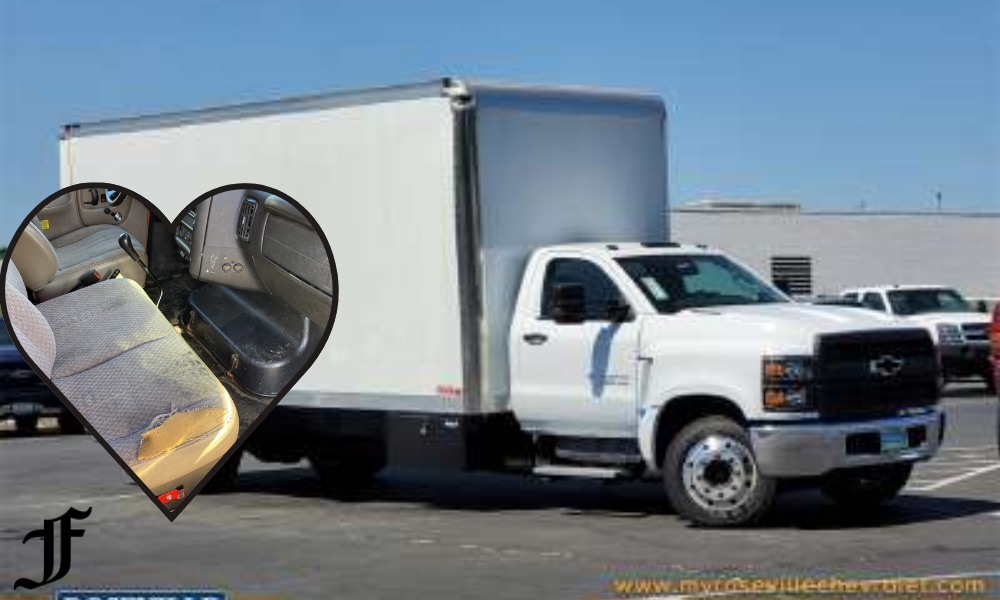
The 2009 chevrolet c6500 box truck 13’6 is a heavy-duty commercial vehicle built for serious work, especially delivery, moving, storage, contractor service, and local freight operations. The Chevrolet C6500 belongs to the well-known Chevrolet Kodiak/GMC TopKick medium-duty truck family, a line produced by General Motors for vocational and commercial use until production ended in 2009. Because of its strong chassis, large cargo body options, diesel powertrain choices, and business-friendly design, the 2009 Chevrolet C6500 remains a practical used truck for companies that need more capability than a light-duty van or pickup.
Quick Specs Table
| Feature | Details |
|---|---|
| Vehicle Name | 2009 Chevrolet C6500 Box Truck |
| Focus Keyword | 2009 chevrolet c6500 box truck 13’6 |
| Truck Class | Medium-duty / Class 6 range |
| Common Use | Delivery, moving, freight, storage, contractor work |
| Body Type | Box truck / straight truck |
| Common Drivetrain | 4×2 rear-wheel drive |
| Engine Options | Diesel options vary by build, commonly Duramax/Isuzu-style diesel setups depending on configuration |
| Transmission | Often Allison automatic, but varies by unit |
| CDL Requirement | Depends on GVWR, weight rating, and local law |
| Best For | Small businesses, movers, delivery fleets, contractors |
| Key Buying Check | Engine, transmission, box condition, liftgate, rust, GVWR, title, and service history |
What Is the 2009 Chevrolet C6500 Box Truck 13’6?
The 2009 Chevrolet C6500 Box Truck is a medium-duty commercial vehicle designed to carry larger cargo loads than a typical pickup or cargo van. The “box truck” design means the cargo area is enclosed, making it useful for transporting furniture, appliances, tools, retail products, packages, and equipment.
The “13’6” part of the keyword can refer to a listing detail such as height, body measurement, clearance, or cargo configuration. In commercial truck listings, numbers like this are very important because they affect parking, loading docks, bridge clearance, warehouse access, and route planning. Before buying any 2009 Chevrolet C6500 listed with “13’6,” buyers should confirm whether that measurement means overall height, box height, body length, or another specification from the seller.
Why the 2009 Chevrolet C6500 Still Gets Attention
One reason buyers still search for the 2009 Chevrolet C6500 is durability. Medium-duty trucks are built for business use, not casual driving. They are designed to spend long hours on the road, carry heavier loads, and handle commercial work every day.
Another reason is cost. A used C6500 can sometimes be more affordable than newer medium-duty trucks, especially for businesses that need capacity but do not want to spend heavily on a new commercial vehicle. Auction and used-truck market data shows 2009 Chevrolet/GMC C6500 box trucks have appeared in a wide price range depending on mileage, body condition, engine, transmission, and equipment.
For a small moving company, furniture store, warehouse, delivery contractor, or service business, a well-maintained C6500 can still be a valuable asset.
Design and Build Quality
The Chevrolet C6500 was built with a strong commercial chassis. It was not designed to feel like a passenger vehicle. Instead, it was made to handle payload, cargo volume, and repeated business use.
The cab is simple and practical. Visibility is usually good because of the high seating position, large windshield, and wide mirrors. Drivers can better see traffic, loading areas, and tight delivery spaces compared with many smaller vehicles.
The box body is the most important part for business owners. Depending on the truck, the box may include:
Roll-up rear door
Swing-out rear doors
Side access door
Wood or aluminum floor
E-track rails
Interior cargo lighting
Liftgate
Ramp
Tie-down points
Shelving or storage sections
A 13’6-related measurement should always be confirmed because box dimensions vary from one truck to another. Two 2009 C6500 box trucks can look similar but have different body lengths, heights, wheelbases, and payload ratings.
Engine and Performance
Many Chevrolet C6500 trucks from this era were equipped with diesel engines built for torque and commercial use. Diesel power is important in a box truck because the vehicle may carry heavy cargo, operate under load, and spend long periods in stop-and-go conditions.
A common advantage of diesel medium-duty trucks is low-end pulling power. This helps when the truck is loaded with furniture, equipment, appliances, or freight. Buyers often prefer diesel box trucks because they can handle heavier work better than gasoline trucks in many commercial situations.
However, engine condition matters more than the badge. A poorly maintained diesel truck can become expensive quickly. Before buying, check:
Cold start behavior
Smoke from exhaust
Oil leaks
Coolant leaks
Turbo condition
Fuel system condition
Service records
Warning lights
Idle quality
Transmission shifting
DPF/emissions system condition, where applicable
A professional pre-purchase inspection is highly recommended for any used 2009 Chevrolet C6500.
Transmission and Driving Feel
Many C6500 trucks came with automatic transmissions, commonly Allison units depending on configuration. This is good for delivery companies because automatic transmissions are easier for different drivers to operate.
The driving feel is different from a pickup. The truck is larger, heavier, wider, and slower to maneuver. It needs more space to turn and stop. A driver should be comfortable with:
Wide turns
Longer braking distance
Higher step-in height
Large side mirrors
Rear cargo blind spots
Loading dock approach
Overhead clearance
For city delivery, the driver must also be careful with bridges, tree branches, low signs, and parking structures. If the truck really has an overall height near 13’6, route planning becomes very important.
Cargo Box and 13’6 Measurement
The cargo box is the heart of this vehicle. For a business buyer, the box condition may be just as important as the engine.
If “13’6” is referring to height, this is a serious number. Many bridges and overpasses have height restrictions, and a tall box truck can be difficult to use in urban areas without planning. If “13’6” refers to body length, it would be a shorter box than many full-size commercial moving trucks. If it refers to another dimension, the seller should provide exact measurements.
Before purchase, measure:
Overall height from ground to top of box
Interior cargo height
Interior cargo length
Interior cargo width
Rear door opening height
Rear door opening width
Loading floor height
Wheelbase
Total vehicle length
These measurements help determine whether the truck can fit your business needs.
Best Uses for the 2009 Chevrolet C6500 Box Truck
The 2009 Chevrolet C6500 Box Truck can fit many types of businesses.
Moving Companies
Moving companies need enclosed cargo space, tie-down points, and strong payload capacity. A C6500 can carry furniture, boxes, appliances, and office equipment. If equipped with a liftgate, it becomes even more useful.
Retail Delivery
Furniture stores, appliance shops, flooring companies, and large product retailers can use this truck for local deliveries. The enclosed box protects cargo from rain, dust, and road debris.
Contractors
Contractors can use the box as a mobile storage unit. Tools, machines, materials, and supplies can be stored securely inside. Some trucks may also be customized with shelves, drawers, or workstations.
Warehouse and Freight
For local freight, warehouse transfer, and business-to-business delivery, the C6500 offers more cargo room than a van while still being easier to manage than a tractor-trailer.
Event and Equipment Transport
Event companies can use it for tents, chairs, tables, sound systems, displays, and staging materials.
Is It a Non-CDL Truck?
This depends on the GVWR and local regulations. Many C6500 trucks fall around the Class 6 range, often associated with 19,501 to 26,000 pounds GVWR, but exact ratings vary by unit and build. Some used listings show C6500 trucks with GVWR near 25,950 or 26,000 pounds.
In many places, trucks at or below 26,000 pounds GVWR may be non-CDL, but rules can change depending on:
Actual GVWR
Combination weight
Air brakes
Passenger/commercial use
State or country law
Cargo type
Business operation type
Always check the door sticker, title, registration, and local transport rules before assuming a CDL is not required.
What to Check Before Buying
A used commercial truck can be a good deal, but only if it has been maintained properly. The 2009 Chevrolet C6500 is now an older truck, so inspection is very important.
Check the engine first. Look for leaks, rough idle, overheating, smoke, and hard starting. Then check the transmission. It should shift smoothly without slipping or harsh engagement.
Inspect the frame for rust, cracks, repairs, or accident damage. Medium-duty trucks often work hard, and some may have spent years in snow, salt, or construction environments.
Inspect the box body carefully. Look for:
Roof leaks
Damaged panels
Soft floor spots
Broken door rollers
Rust around the rear frame
Water stains inside
Poor repairs
Loose tie-down rails
Liftgate problems
A liftgate can be expensive to repair, so test it with weight if possible.
Also check tires and brakes. Commercial truck tires are costly, and brake repairs can add a large expense after purchase.
Common Advantages
The biggest advantage of the 2009 Chevrolet C6500 Box Truck is capability. It gives businesses more space and strength than smaller vehicles. It can carry large items, protect cargo, and support daily commercial work.
Another advantage is availability of used parts and service knowledge. Because the Kodiak/TopKick line was widely used in commercial fleets, many mechanics are familiar with the platform.
The truck also has a professional appearance. For a moving company or delivery service, a large box truck can make the business look more serious and prepared.
Common Disadvantages
The biggest disadvantage is age. A 2009 model is not new, so maintenance history matters. Some trucks may have high mileage, worn suspension parts, rust, or tired interiors.
Fuel economy is another concern. A medium-duty box truck will use more fuel than a van or pickup. Insurance, tires, brakes, and repairs can also cost more.
Parking and maneuvering can be difficult, especially in tight city areas. If the truck is very tall, route restrictions become a daily concern.
2009 Was an Important Year for the C6500
The 2009 model year matters because General Motors ended production of the Chevrolet Kodiak and GMC TopKick medium-duty trucks by July 31, 2009, after efforts to sell the medium-duty truck business did not succeed. This makes the 2009 Chevrolet C6500 one of the final models from that generation.
For some buyers, this adds appeal. It is not a collector vehicle in the normal sense, but it is part of the final era of Chevrolet’s older medium-duty truck line before GM later returned to the medium-duty market with newer Silverado-based commercial models.
Who Should Buy This Truck?
The 2009 Chevrolet C6500 Box Truck 13’6 is best for a buyer who needs real work capacity and understands commercial truck ownership.
It may be a good fit for:
A moving company
A furniture delivery business
A warehouse operator
A contractor
A local freight company
A storage or logistics business
A company needing a mobile equipment truck
It may not be ideal for someone who wants a cheap personal vehicle, easy parking, or low running costs. This is a business tool, and it should be treated like one.
How Much Is It Worth?
Value depends on mileage, engine, body size, liftgate, condition, tires, maintenance records, and market demand. Recent auction and listing examples show that older C6500 box trucks can sell from lower used-truck prices to much higher retail prices when clean, low-mileage, or professionally equipped.
A buyer should compare at least five similar listings before making an offer. Do not judge price only by year. A clean, low-mileage truck with a good box and liftgate can be worth much more than a rough unit with hidden repairs.
Final Verdict
The 2009 chevrolet c6500 box truck 13’6 is a strong and practical commercial vehicle for businesses that need enclosed cargo space, medium-duty strength, and reliable work capability. It is especially useful for moving, delivery, freight, contractor service, and equipment transport.
However, buyers should be careful. The truck’s age means inspection is not optional. Confirm the exact 13’6 measurement, check the GVWR, inspect the engine and transmission, test the liftgate, review service records, and make sure the truck fits your route and business needs.
When properly maintained, the 2009 Chevrolet C6500 can still be a dependable work truck. For the right business, it offers a balance of cargo space, strength, and used-market value that newer trucks may not provide at the same price.
FAQs
What is the 2009 Chevrolet C6500 Box Truck used for?
It is commonly used for moving, delivery, freight, contractor service, retail transport, warehouse work, and equipment hauling.
What does 13’6 mean on a 2009 Chevrolet C6500 Box Truck?
It may refer to overall height, box height, body length, or another listing measurement. Always confirm with the seller and physically measure the truck before buying.
Is the 2009 Chevrolet C6500 a diesel truck?
Many C6500 trucks were built with diesel engines, but exact engine type depends on the specific unit. Always check the VIN, engine label, and seller information.
Does the 2009 Chevrolet C6500 require a CDL?
It depends on GVWR, local law, air brakes, cargo type, and business use. Some may be non-CDL if rated at or below 26,000 pounds, but you should confirm with your local transport authority.
Is the 2009 Chevrolet C6500 good for a moving business?
Yes, it can be a good moving truck if the box is large enough, the floor is solid, the liftgate works, and the truck has been properly maintained.
What should I inspect before buying one?
Inspect the engine, transmission, brakes, tires, frame, rust, box roof, rear door, liftgate, cargo floor, electrical system, and service records.
Is the 2009 Chevrolet C6500 still worth buying?
Yes, if it is in good condition and fits your business needs. A clean, well-maintained C6500 can still be useful, but repair costs should be considered before purchase.
Why is 2009 important for the Chevrolet C6500?
2009 was the final production year for the Chevrolet Kodiak/GMC TopKick medium-duty truck line, making it one of the last models from that generation.
Visit for more info: Famousdaily.co.uk