

People searching for procurementnation.com drop shipping usually want a simple but practical understanding of how procurement, suppliers, logistics, and e-commerce fulfillment connect in the modern online business world. Since ProcurementNation.com focuses on procurement, supply chain, shipping, suppliers, and logistics insights, the topic naturally fits anyone trying to understand how a dropshipping business can become more reliable, cost-effective, and scalable.
Quick Overview of Procurementnation.com Drop Shipping
| Topic | Details |
|---|---|
| Focus Keyword | procurementnation.com drop shipping |
| Main Industry | E-commerce, procurement, logistics, supply chain |
| Best For | Online sellers, small businesses, sourcing teams, beginners |
| Main Goal | Understanding supplier-based order fulfillment |
| Key Areas | Product sourcing, supplier selection, shipping, inventory risk |
| Main Benefit | Lower startup cost with flexible fulfillment |
| Main Risk | Supplier delays, poor quality control, weak customer experience |
What Is Procurementnation.com Drop Shipping?
Procurementnation.com drop shipping is best understood as a topic that connects the dropshipping business model with the procurement and supply chain knowledge often discussed around ProcurementNation.com. Dropshipping is not just about creating an online store and selling random products. A successful dropshipping business depends on strong supplier selection, clear communication, reliable shipping, product quality, and smart procurement decisions.
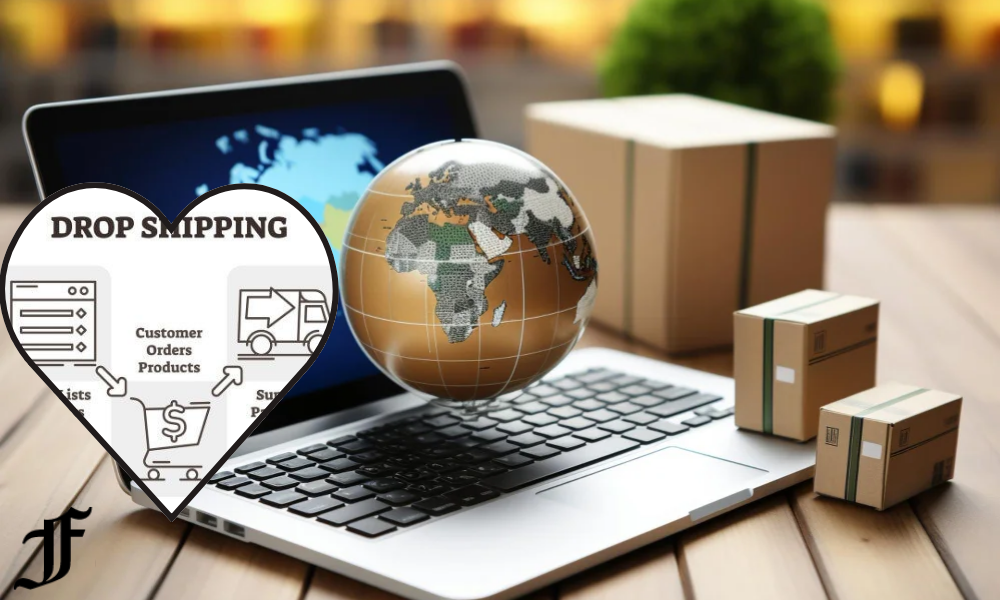
In simple words, dropshipping is a retail model where the seller does not keep products in stock. Instead, when a customer places an order, the seller sends that order to a supplier, wholesaler, or manufacturer. The supplier then ships the product directly to the customer. This sounds simple, but the real challenge is managing the process professionally.
That is where procurement thinking becomes important. Procurement is about finding the right suppliers, negotiating better terms, reducing risk, and making sure goods or services are delivered properly. When these ideas are applied to dropshipping, the business becomes more organized and less dependent on guesswork.
Why Procurement Matters in Dropshipping
Many beginners think dropshipping is only about choosing trending products. In reality, product selection is only one part of the process. The bigger question is whether the seller can source the product from a trustworthy supplier and deliver it to customers on time.
Procurement helps answer questions like:
Who is the best supplier for this product?
Can the supplier deliver consistently?
Are the prices stable?
What happens if the supplier runs out of stock?
Can the product quality be checked before selling?
Are there hidden shipping or customs costs?
These questions are important because dropshipping businesses can fail quickly when suppliers are unreliable. A store may have a beautiful design and strong marketing, but if orders arrive late or products are poor quality, customers will complain, request refunds, or leave bad reviews.
This is why procurementnation.com drop shipping is a useful concept. It reminds sellers to think beyond quick sales and focus on building a proper sourcing and fulfillment system.
How Dropshipping Works Step by Step
A basic dropshipping process usually follows a simple structure.
First, the seller chooses a niche or product category. This could be home improvement items, beauty products, pet accessories, tech gadgets, fitness products, or fashion items.
Second, the seller finds suppliers that can provide those products. These suppliers may be local wholesalers, international manufacturers, marketplace vendors, or private sourcing agents.
Third, the seller lists the products on an online store. This store may be built on Shopify, WooCommerce, Amazon, eBay, Etsy, or another e-commerce platform.
Fourth, a customer places an order and pays the seller.
Fifth, the seller forwards the order details to the supplier.
Sixth, the supplier packs and ships the product directly to the customer.
Finally, the seller handles customer service, tracking updates, returns, refunds, and communication.
The model looks easy because the seller does not need to buy inventory in advance. However, the seller is still responsible for the customer experience. If the supplier makes a mistake, the customer usually blames the store, not the supplier.
Benefits of Procurementnation.com Drop Shipping
One of the biggest benefits of dropshipping is the lower startup cost. A seller does not need to rent a warehouse, buy bulk stock, or manage a large inventory. This makes it attractive for beginners who want to test products without huge investment.
Another benefit is flexibility. Sellers can test many products and remove poor performers quickly. If one product does not sell, they can try another without being stuck with unsold stock.
Dropshipping also allows location independence. A business owner can manage the store from almost anywhere, as long as they have internet access and good systems in place.
The procurement side adds even more value. When sellers use procurement principles, they can compare suppliers, negotiate better rates, reduce shipping problems, and build stronger long-term business relationships. This can turn a simple dropshipping store into a more professional e-commerce operation.
Risks and Challenges in Dropshipping
Although dropshipping has many benefits, it also has serious challenges. The first major issue is supplier reliability. If a supplier ships late, sends the wrong item, or provides low-quality products, the seller’s reputation is damaged.
The second issue is shipping time. Many dropshipping sellers use overseas suppliers, which can lead to long delivery periods. Modern customers expect fast shipping, so slow delivery can reduce trust.
The third issue is low profit margins. Since many sellers may offer the same products, competition can become intense. Sellers often lower prices to attract customers, but this reduces profit.
The fourth issue is limited quality control. Because the seller does not handle the product directly, it can be difficult to check packaging, product condition, or accuracy before shipment.
The fifth issue is returns and refunds. If a customer wants to return a product, the process may be complicated, especially when the supplier is in another country.
These risks show why procurementnation.com drop shipping should not be viewed as a shortcut. It should be treated like a real business system that needs planning, monitoring, and improvement.
Choosing the Right Dropshipping Supplier
Supplier selection is one of the most important parts of dropshipping. A good supplier can help a store grow, while a bad supplier can destroy customer trust.
A strong supplier should have clear product information, stable stock, fair prices, fast communication, and reliable shipping options. They should also provide tracking numbers and handle order issues professionally.
Before working with any supplier, sellers should test sample products. This helps check product quality, packaging, delivery time, and customer experience. It is also wise to place test orders from different locations if the store targets multiple countries.
Sellers should also ask suppliers about processing time. Some suppliers ship within 24 to 48 hours, while others may take several days before sending the order. Processing time matters because it affects the total delivery period.
Good suppliers should also be transparent about stock levels. If a seller promotes a product heavily and the supplier suddenly runs out, the store may lose sales and disappoint customers.
Product Research for Dropshipping
Product research is another key part of procurementnation.com drop shipping. A winning product should solve a problem, attract a specific audience, and have enough demand to generate sales.
However, sellers should avoid choosing products only because they are trending on social media. Trends can disappear quickly. A better approach is to look for products with steady demand, reasonable competition, and clear customer value.
Good dropshipping products are usually lightweight, easy to ship, not too fragile, and not heavily regulated. Products that break easily, require strict safety compliance, or have high return rates can create problems.
Sellers should also calculate the full cost before listing a product. This includes product cost, shipping cost, payment processing fees, advertising cost, platform fees, refund risk, and customer support time.
A product may look profitable at first, but after all expenses, the margin may be too small. Smart procurement means looking at the full business picture, not just the supplier price.
Shipping and Logistics in Dropshipping
Shipping is one of the most sensitive parts of dropshipping. Customers care deeply about delivery speed, tracking, and product condition. Even if the product is good, slow or confusing shipping can create frustration.
Sellers should clearly mention estimated delivery times on their websites. It is better to be honest than to promise fast delivery and fail. Clear shipping policies reduce disputes and improve customer trust.
Tracking numbers are also important. Customers want to know where their order is. Suppliers that provide reliable tracking are usually better than those that offer cheap but unclear shipping methods.
For international dropshipping, sellers should also understand customs duties, import taxes, and restricted products. Some products may face delays at customs or require special documentation.
A strong logistics strategy can help sellers stand out from competitors. Faster shipping, better packaging, and clear updates can improve the customer experience.
Customer Service and Brand Trust
Dropshipping sellers must remember that customers are buying from their store, not directly from the supplier. This means the seller is responsible for support, communication, and problem-solving.
Good customer service includes fast replies, clear order updates, simple refund policies, and polite communication. Even when a supplier causes the problem, the seller must handle the customer professionally.
Brand trust is built through consistency. If customers receive what they ordered, within the expected time, and with good support, they are more likely to buy again.
Many dropshipping stores fail because they focus only on advertising and ignore customer experience. Long-term success comes from treating customers properly and solving issues quickly.
How Procurement Thinking Improves Dropshipping
Procurement thinking improves dropshipping by making the business more strategic. Instead of randomly choosing suppliers, sellers compare options carefully. Instead of accepting any price, they negotiate or search for better value. Instead of reacting to problems, they prepare backup plans.
For example, a seller may work with two or three suppliers for the same product. If one supplier runs out of stock, the seller can use another. This reduces risk.
A seller may also create supplier scorecards. These scorecards can track delivery time, product quality, communication speed, refund issues, and customer complaints. Over time, the seller can identify which suppliers are worth keeping.
Procurement also encourages better documentation. Sellers should keep records of supplier agreements, pricing, shipping terms, return rules, and communication history. This makes the business easier to manage as it grows.
Is Dropshipping Still Profitable?
Dropshipping can still be profitable, but it is not as easy as many online videos suggest. The market is more competitive now, and customers have higher expectations. Simple copy-paste stores with poor products usually do not last.
Profit comes from choosing the right niche, building a trustworthy brand, working with reliable suppliers, controlling costs, and marketing effectively. Sellers who treat dropshipping like a real business have a better chance of success.
The best approach is to move beyond basic dropshipping over time. Successful sellers often improve their model by using private labeling, bulk ordering best-selling products, faster fulfillment centers, or exclusive supplier deals.
This means dropshipping can be a starting point. It allows sellers to test demand. Once a product proves successful, they can build a stronger supply chain around it.
Common Mistakes Beginners Should Avoid
One common mistake is choosing products only because they look viral. Viral products may attract attention, but they are not always profitable or sustainable.
Another mistake is using only one supplier without a backup. If that supplier fails, the whole business suffers.
A third mistake is hiding long shipping times. Customers become angry when delivery takes longer than expected. Honest communication is always better.
A fourth mistake is ignoring product quality. Cheap products can lead to refunds, complaints, and payment disputes.
A fifth mistake is spending too much on ads before testing the full order process. Sellers should place test orders and confirm supplier performance before scaling campaigns.
Avoiding these mistakes can save money and protect the store’s reputation.
Best Practices for Procurementnation.com Drop Shipping
To build a better dropshipping business, sellers should follow a few simple best practices.
Start with a focused niche instead of selling everything. A focused store looks more trustworthy and is easier to market.
Test products before selling them widely. This helps avoid quality problems.
Work with suppliers who communicate clearly and ship on time.
Use clear product descriptions and realistic delivery estimates.
Track supplier performance regularly.
Offer helpful customer support.
Calculate profit margins carefully.
Build a brand, not just a temporary product store.
These practices make dropshipping more stable and professional.
Future of Dropshipping and Procurement
The future of dropshipping will likely become more professional. Customers want faster shipping, better products, and real brands. This means sellers cannot depend only on cheap products and slow delivery.
Procurement skills will become more important because sellers need better supplier relationships, stronger logistics, and smarter sourcing decisions.
Automation will also play a bigger role. Order management tools, inventory syncing, supplier dashboards, and AI-based product research can help sellers work faster. However, technology cannot replace trust, quality, and customer service.
The businesses that succeed will be those that combine smart marketing with strong procurement and supply chain systems.
FAQs About Procurementnation.com Drop Shipping
What does procurementnation.com drop shipping mean?
Procurementnation.com drop shipping refers to the connection between dropshipping and procurement-focused ideas such as supplier sourcing, logistics, shipping, and supply chain management.
Is dropshipping good for beginners?
Yes, dropshipping can be good for beginners because it has lower startup costs than traditional retail. However, beginners must still learn supplier management, customer service, product research, and shipping basics.
Do I need inventory for dropshipping?
No, the main idea of dropshipping is that the seller does not keep inventory. The supplier ships products directly to customers after orders are placed.
What is the biggest risk in dropshipping?
The biggest risk is depending on unreliable suppliers. Late shipping, poor product quality, and weak communication can damage the seller’s reputation.
How can procurement help a dropshipping business?
Procurement helps by improving supplier selection, price comparison, risk management, shipping planning, and long-term business stability.
Is dropshipping still profitable in 2026?
Dropshipping can still be profitable if sellers choose the right products, work with reliable suppliers, manage costs carefully, and build a trustworthy brand.
What type of products are best for dropshipping?
Good dropshipping products are usually lightweight, easy to ship, useful, not too fragile, and attractive to a specific audience.
Should I test a supplier before selling?
Yes, testing suppliers is very important. Sellers should order samples to check product quality, packaging, shipping time, and tracking accuracy.
Final Thoughts
Procurementnation.com drop shipping is more than a simple online business keyword. It represents the connection between modern e-commerce and smart procurement strategy. Dropshipping may look easy from the outside, but real success depends on supplier quality, shipping reliability, customer trust, and strong business planning.
Sellers who understand procurement can make better decisions. They can avoid weak suppliers, reduce risk, improve delivery, and build a more professional online store. Instead of chasing short-term trends, they can create a system that supports long-term growth.
For anyone interested in dropshipping, the best path is to think like a business owner, not just a product seller. Choose suppliers carefully, test products, communicate honestly with customers, and keep improving the supply chain. That is how a dropshipping store can move from a simple idea to a serious e-commerce business.
Visit Famous Daily for more useful business and digital trend guides.