

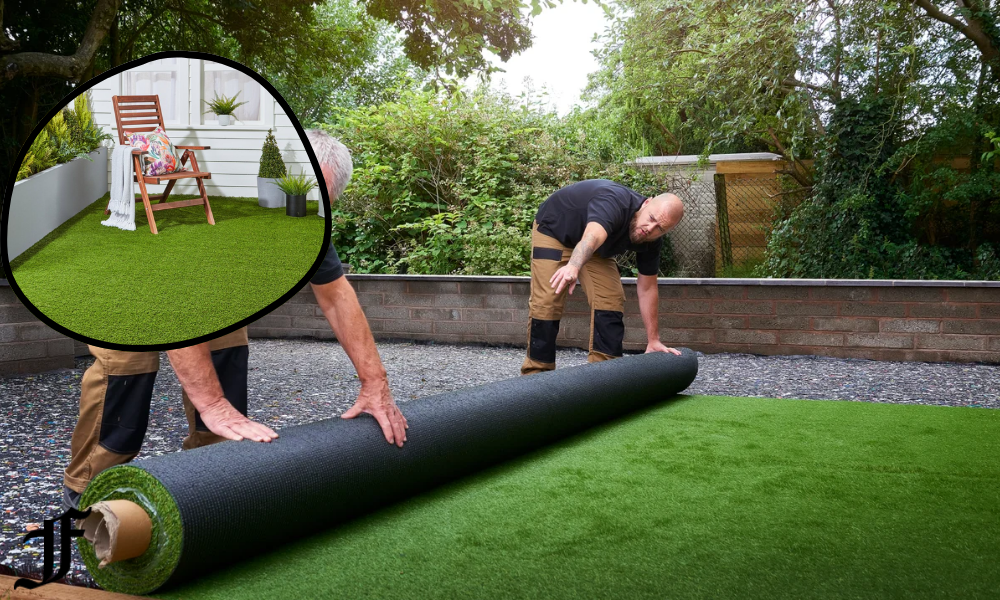
Artificial-grass has become one of the most searched landscaping solutions for homeowners, businesses, and property developers who want a cleaner, greener, and lower-maintenance outdoor surface. Unlike natural lawns that need regular watering, mowing, feeding, and seasonal care, artificial-grass offers a more controlled look throughout the year. It is often chosen for gardens, rooftops, balconies, schools, sports spaces, and commercial areas because it stays visually fresh in both hot and dry conditions. Modern versions are also designed to feel softer and look more realistic than older synthetic surfaces, which has helped the category grow quickly. Much of the appeal comes from its practicality, but people also like the way it instantly transforms dull outdoor areas into neat, usable spaces much like a well-designed lawn does in traditional landscaping.
Quick Facts About artificial-grass
| Category | Details |
|---|---|
| Focus Keyword | artificial-grass |
| Main Use | Landscaping and decorative ground covering |
| Common Locations | Gardens, rooftops, balconies, patios, schools, sports areas |
| Material | Synthetic fibers, usually polyethylene or polypropylene |
| Appearance | Green, trimmed, uniform lawn-like surface |
| Maintenance Level | Low compared to natural grass |
| Water Requirement | Very low |
| Lifespan | Often 8–15 years depending on quality and use |
| Best For | Low-maintenance outdoor areas |
| Main Concern | Heat, drainage, and upfront cost |
What Is artificial-grass?
Artificial-grass is a synthetic surface made to resemble real grass. It is usually manufactured with plastic-based fibers stitched into a backing material, then installed over a prepared base. In many cases, sand or another infill material is added to help the blades remain upright and to improve stability. Although artificial-grass was once mainly associated with sports fields, it is now widely used in residential and decorative spaces. That shift happened because product quality improved. Earlier versions often looked flat, shiny, and obviously fake, while newer products are designed with mixed blade tones, softer textures, and more natural-looking finishes.
For many buyers, artificial-grass is not just about appearance. It is about convenience. A natural lawn can be beautiful, but it demands time, water, money, and consistent care. By contrast, artificial-grass gives a tidy result with much less ongoing effort. That is why it has become attractive to people who want visual greenery without the burden of traditional lawn upkeep.
Why artificial-grass Has Become So Popular
The popularity of artificial-grass has grown because modern lifestyles often leave little room for intensive garden care. Many people want outdoor areas to look presentable all year, but they do not want to spend weekends watering, mowing, reseeding, trimming, and dealing with muddy patches. Artificial-grass solves several of those issues at once. It stays green in dry seasons, it does not turn patchy from inconsistent watering, and it can make small spaces feel cleaner and more finished.
Another reason for its rise is changing property use. More homeowners are converting unused corners, terraces, rooftops, and side passages into pleasant sitting areas. In those locations, real grass may struggle because of poor soil depth, shade, heat, or drainage limitations. Artificial-grass offers a way to create a lawn effect where natural turf would be difficult or expensive to maintain. As a result, it is now used in many homes that were never ideal for real grass in the first place.
The Main Benefits of artificial-grass
One of the biggest benefits of artificial-grass is low maintenance. Once installed properly, it does not need mowing, edging, or fertilizer. That alone saves both time and recurring cost. For busy households, that convenience can make a major difference. Instead of worrying about lawn health, people can focus on enjoying the space.
Water savings are another major advantage. In hot climates or places where water bills are high, maintaining a natural lawn can become expensive. Artificial-grass eliminates routine watering except for the occasional rinse needed to remove dust or clean the surface. This makes it especially appealing in areas with long dry seasons or inconsistent rainfall.
The visual consistency of artificial-grass is also important. Real lawns can suffer from weeds, bare patches, discoloration, and uneven growth. Synthetic turf, on the other hand, offers a cleaner and more uniform appearance. For many property owners, that neat look adds instant curb appeal. It can make a home feel more polished, especially when paired with planters, paving, or outdoor furniture.
Where artificial-grass Works Best
Artificial-grass works especially well in spaces where natural turf struggles or becomes inconvenient. Small front gardens, backyards with heavy foot traffic, shaded corners, balconies, rooftops, and decorative patio strips are all strong candidates. In these areas, people usually care more about a reliable clean appearance than about the deeper gardening experience that comes with real grass.
It also performs well in commercial and semi-public spaces. Cafes, schools, play zones, event setups, and office courtyards often use artificial-grass because it creates a softer visual effect than concrete or bare tile. It can make an area feel more welcoming while still being easier to maintain than a living lawn. In family homes, it is often chosen for children’s play spaces because it reduces mud and can keep the surface more comfortable than rough paving.
Different Types of artificial-grass
Not all artificial-grass is the same. The quality can vary a lot depending on the fiber material, blade height, density, backing strength, and finish. Some types are designed mainly for appearance. These are softer, fuller, and more natural-looking, making them ideal for gardens and decorative areas. Others are made for durability and frequent foot traffic, which makes them better suited for play zones or light sports use.
Blade height affects both look and function. Shorter blades often appear tidier and may be easier to clean, while longer blades can look more luxurious and soft. Density matters too. A dense turf usually looks richer and higher quality because the blades stand closer together. Meanwhile, good backing and drainage are essential for long-term performance. A product may look attractive at first glance, but if the drainage is poor or the backing is weak, problems can appear later.
Does artificial-grass Look Real?
This is one of the first questions buyers ask, and the answer depends largely on the quality of the product and the installation. Cheap artificial-grass can still look overly bright, flat, or plastic-like. However, better-quality turf has improved a lot. It often includes several shades of green, sometimes with a brownish thatch layer near the base to imitate real lawn depth. That extra detail makes the overall finish look more realistic.
Installation matters just as much as the turf itself. If the surface underneath is uneven, the final lawn can look artificial no matter how premium the material is. Seams, poor edge finishing, or a badly prepared base can also ruin the effect. On the other hand, a well-installed artificial-grass surface with the right pile height and color balance can look impressive from both a distance and close range.
The Cost of artificial-grass
Artificial-grass usually costs more upfront than laying natural turf or sowing grass seed. That is one of the biggest reasons some people hesitate. The total price depends on the quality of the turf, the size of the area, the amount of groundwork required, drainage preparation, labor costs, and any edge finishing or accessories. If the installation area is uneven or has poor existing drainage, the base work can significantly increase the final cost.
However, many buyers view that upfront expense as a long-term tradeoff. A real lawn may seem cheaper in the beginning, but over time it can cost more in watering, lawn treatment, mowing, weed control, reseeding, and maintenance equipment. Artificial-grass shifts more of the cost to the beginning of the project while reducing many of the ongoing expenses afterward. For some households, that balance makes sense. For others, especially those who enjoy gardening, natural grass may still feel more rewarding.
Is artificial-grass Easy to Maintain?
Artificial-grass is far easier to maintain than real grass, but it is not maintenance-free. This is an important point because some people expect it to require no care at all. In reality, it still needs occasional brushing, rinsing, and debris removal. Leaves, dust, pet waste, and surface dirt can build up over time if ignored. In areas with trees or frequent wind, regular cleaning becomes even more important.
The good news is that maintenance is generally simple. Most of the time, a broom, leaf blower, or gentle rinse is enough. If the grass fibers become flattened in high-traffic areas, brushing can help them stand up again. Pet areas may need more frequent washing to control odor. So while artificial-grass saves a great deal of effort compared with a natural lawn, it still benefits from basic care to keep it looking fresh.
How Long Does artificial-grass Last?
The lifespan of artificial-grass depends on product quality, installation quality, and how heavily the surface is used. In many cases, a well-installed and properly maintained lawn can last somewhere between 8 and 15 years. Premium products may last longer under good conditions, while cheaper ones can wear out sooner. Strong sun exposure, intense foot traffic, poor drainage, and neglected maintenance can all shorten its life.
This is why quality matters. Some buyers focus only on price, but a very cheap product may fade faster, flatten quickly, or develop issues with the backing. It is often better to choose a balanced option that offers decent realism, good drainage, and reliable durability. Artificial-grass is a long-term surface, so the decision should be based on performance as well as appearance.
The Drawbacks of artificial-grass
Even though artificial-grass offers many practical benefits, it also has drawbacks. One major issue is heat. In direct sunlight, synthetic turf can become much hotter than natural grass. This can make it uncomfortable to walk on barefoot during very warm weather, especially in exposed outdoor areas. That does not mean it becomes unusable, but it does mean buyers should think carefully about local climate conditions.
Another concern is that artificial-grass does not provide the same natural feel or environmental behavior as a living lawn. It does not grow, cool the ground in the same way, or contribute to soil ecology like real grass does. Some people also miss the scent and softness of a real lawn. In addition, poor installation can create drainage problems, odor issues, or a visible fake appearance. So while artificial-grass is practical, it is not automatically the best choice for every property or every lifestyle.
artificial-grass for Homes With Kids and Pets
Many families choose artificial-grass because it creates a cleaner play area for children and pets. It removes the mud problem that often comes with real lawns, especially after rain or watering. Children can play on it without bringing soil back into the house, and pets often adapt to it quickly if the area is kept clean. For busy households, this practical advantage can be one of the strongest reasons to install it.
Still, families should think beyond convenience. The surface temperature, drainage quality, and cleaning routine all matter. If pets will use the lawn regularly, it helps to choose a product with good drainage and to clean it consistently. If children will spend a lot of time outdoors during hot weather, shaded sections or cooling strategies may be important. In other words, artificial-grass can work very well for family life, but product choice and planning make a big difference.
Installation Matters More Than Many People Think
A lot of problems blamed on artificial-grass actually come from poor installation. If the ground below is not prepared correctly, the surface may sink, wrinkle, drain badly, or feel uneven. A proper base is essential because it supports the turf and affects how natural the final result looks. Good edging also matters. Clean borders make the lawn feel integrated into the space rather than simply rolled out on top of it.
This is why professional installation is often worth considering, especially for larger or more visible areas. A skilled installer can prepare the ground properly, join the seams neatly, ensure drainage, and finish the edges cleanly. Smaller projects can sometimes be done well as a DIY job, but only if the groundwork is handled carefully. The final look of artificial-grass is shaped as much by installation quality as by the turf itself.
Is artificial-grass Worth It?
Whether artificial-grass is worth it depends on what the buyer values most. For someone who wants a natural gardening experience, enjoys lawn care, and does not mind the regular upkeep, real grass may still be the better option. However, for someone who wants year-round greenery, less mess, lower maintenance, and more predictable appearance, artificial-grass can be an excellent investment.
It is especially worthwhile in places where real lawns are difficult to maintain or where outdoor areas are mainly decorative. In those settings, the visual impact and reduced upkeep often justify the cost. The key is to view artificial-grass realistically. It is not a magical substitute for every lawn, but it can be a smart and highly effective solution when chosen for the right space and installed properly.
How to Choose the Right artificial-grass
Choosing the right a starts with purpose. If the space is mostly decorative, then realism and softness may matter more than extreme durability. If the area will handle pets, children, or heavy foot traffic, then resilience and drainage become more important. Looking at samples in person can help because photos do not always show the true color or density of the product.
It is also wise to compare more than just price. Buyers should ask about UV resistance, drainage performance, backing strength, warranty, and expected lifespan. A slightly more expensive product can often look better and last longer, making it a better value over time. In the end, the best is not simply the cheapest or the thickest. It is the one that fits the space, the climate, and the way the area will actually be used.
Final Thoughts on artificial-grass
Artificial-grass has moved far beyond its old image as a stiff and obviously fake sports surface. Today, it is a practical and attractive option for many homes and commercial spaces. Its biggest strengths are convenience, year-round appearance, and reduced maintenance. For people who want a clean outdoor look without the constant demands of natural lawn care, it can be a very sensible choice.
At the same time, is not perfect. Heat, upfront cost, and the lack of a truly natural feel remain important considerations. That is why the best results come when people choose it for the right reasons. If the goal is a neat, durable, low-maintenance green surface,can perform extremely well. If the goal is the experience of living turf, then natural grass may still be the better match. The right answer depends less on trends and more on how the space will actually be used every day.
FAQs About artificial-grass
Is artificial-grass better than real grass?
It depends on your priorities. Artificial-grass is better for low maintenance and year-round appearance, while real grass is better for a natural feel and living landscape value.
Does artificial-grass need maintenance?
Yes, but much less than real grass. It still needs occasional brushing, cleaning, and debris removal.
How long does artificial-grass last?
A good-quality installation often lasts around 8 to 15 years, depending on use and maintenance.
Does artificial-grass get hot in summer?
Yes, it can become much hotter than natural grass in direct sunlight, especially during very warm weather.
Can pets use artificial-grass?
Yes, many pet owners use it successfully. Good drainage and regular cleaning are important for the best results.
Is artificial-grass expensive?
The upfront cost is usually higher than natural turf, but ongoing maintenance costs are often much lower over time.
Can artificial-grass be installed on a rooftop or balcony?
Yes, it is commonly used in rooftops, balconies, and patios, provided the base and drainage are suitable.