

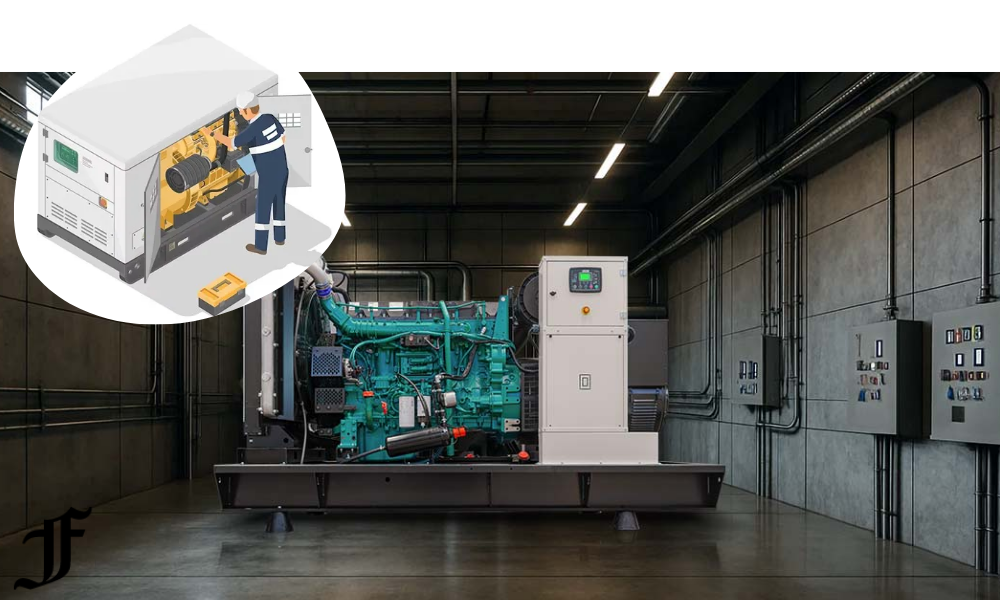
The keyword generator may sound simple, but it covers one of the most useful machines in modern life. A generator is widely used in homes, offices, factories, hospitals, events, and outdoor locations where backup or portable electricity is needed. People often search this term when they want to understand how generators work, which type suits their needs, what size they should buy, and how reliable these machines really are during emergencies or daily power problems. That is why the topic continues to attract strong search interest. It is practical, widely relevant, and directly connected to comfort, safety, and productivity in everyday life.
Quick Facts About generator
| Category | Details |
|---|---|
| Keyword | generator |
| Main Purpose | Produces electrical power |
| Common Uses | Backup power, outdoor work, emergency supply |
| Power Source | Fuel, battery, solar, inverter systems |
| Popular Types | Portable, standby, inverter, industrial |
| Used In | Homes, shops, hospitals, offices, construction sites |
| Key Benefit | Keeps essential appliances and systems running |
| Buying Focus | Wattage, fuel type, noise level, runtime |
| Maintenance Need | Regular servicing and proper fuel care |
| Search Intent | Informational and buying-focused |
What Is a generator?
A generator is a machine that converts mechanical or stored energy into electrical power so that appliances, equipment, or full systems can continue working when normal electricity is not available. In simple terms, it serves as an alternative power source. Some generators are small and portable, while others are large enough to supply electricity to a full building or industrial operation. Their importance becomes obvious during power outages, low-voltage situations, outdoor projects, and business interruptions. Instead of allowing life or work to stop completely, a generator provides continuity when the main power supply fails or cannot be accessed.
Why generator Still Matters So Much Today
The reason the keyword generator remains highly searched is that electricity has become central to nearly every part of daily life. Homes now depend on power not just for lights and fans, but also for refrigerators, internet devices, security systems, water pumps, and work equipment. Businesses depend on uninterrupted electricity even more. Shops lose sales, offices lose productivity, and hospitals face serious operational risk without dependable power. Because of this, a generator is no longer viewed as a luxury in many places. It is increasingly seen as a practical necessity, especially in areas where load shedding, storms, heat waves, or power instability are common.
How a generator Works
A generator works by converting energy from one source into usable electrical energy. In traditional fuel-powered models, an engine runs on petrol, diesel, or gas and creates the mechanical force needed to produce electricity. That electricity then powers selected appliances or circuits through proper connections. While the internal mechanics can be technical, the user-facing idea is straightforward. Fuel or another energy source drives the machine, and the machine produces electrical output. Some modern versions, especially inverter generators and solar-linked systems, offer better efficiency, smoother output, and quieter performance, which makes them more suitable for sensitive electronics and residential environments.
The Main Types of generator
The word generator includes several categories, and this is important because buyers often choose the wrong machine when they assume every model does the same job. Portable generators are among the most common because they are relatively compact, easier to move, and useful for homes, markets, workshops, and outdoor locations. Standby generators are larger fixed systems that automatically switch on during a power outage, making them ideal for houses, offices, and commercial buildings that need fast backup support. Inverter generators are popular for cleaner and quieter electricity, which works well for laptops, TVs, and other electronics. Industrial generators, on the other hand, are built for large-scale use and can power factories, sites, or major facilities.
Portable generator for Everyday Practical Use
Portable generators are often the first option people consider because they are flexible and accessible. They can be used at home during outages, at job sites where no direct electrical source exists, or even at events and outdoor gatherings. Their biggest strength is convenience. A user can move them where needed and run selected appliances without installing a permanent system. However, the best portable generator is not always the most powerful one. It depends on how many appliances need to run, how long the power is needed, and whether the user values portability more than high-capacity output. For many households, a well-sized portable unit covers the most important needs without the cost of a full standby installation.
Standby generator for Full Backup Confidence
A standby generator is often considered the premium option because it offers automatic backup power with little manual effort. Once installed, it can detect an outage and begin supplying electricity without the user needing to start the machine by hand. That feature makes it especially useful in homes with medical equipment, businesses with uptime requirements, and families that want a smoother experience during power failures. A standby generator usually costs more than a portable unit, but it also delivers a higher level of convenience and reliability. For people who deal with frequent or long outages, the extra cost often makes sense as a long-term investment in stability.
Inverter generator and Why It Gets So Much Attention
Inverter generators are increasingly popular because they offer better fuel efficiency, lower noise levels, and smoother electricity output than many conventional models. That smoother output is especially important for electronics such as computers, televisions, routers, and charging devices. Traditional generators can be practical and strong, but inverter models often feel more modern and user-friendly for residential use. They also tend to appeal to buyers who want something compact, quieter, and easier to manage. Although an inverter generator may cost more upfront, many users prefer it because the performance feels cleaner, more controlled, and more suitable for regular household backup.
Fuel Options in a generator
One of the most important parts of choosing a generator is understanding fuel type. Petrol generators are common and easy to find, but they may not always be the best choice for long continuous use. Diesel generators are often valued for strength, durability, and efficiency, especially in commercial or heavy-duty applications. Gas generators can offer cleaner operation in some settings, while hybrid and solar-supported systems are drawing more attention from users who want lower emissions and lower long-term operating costs. The right fuel option depends on availability, budget, intended use, and how often the generator will run. A good machine is not just about output. It is also about the practicality of powering it over time.
generator for Home Use
When people search for the best generator for home use, they are usually trying to solve a real-life problem quickly. They want to keep fans running in hot weather, maintain lighting during night outages, preserve food in the refrigerator, and continue charging essential devices. In some homes, a generator also supports water pumps, internet equipment, and small kitchen appliances. That is why choosing the right home generator starts with a realistic list of what actually needs power. Many buyers overestimate or underestimate their needs. A good decision comes from balancing wattage demand, runtime expectations, budget, fuel cost, and noise tolerance rather than simply buying the biggest unit available.
generator for Business and Commercial Settings
A generator becomes even more critical in business environments because every interruption can lead to lost revenue, delayed service, and customer dissatisfaction. Small shops may need lighting, fans, billing systems, and refrigeration to continue operating. Offices may require computers, Wi-Fi, air conditioning, and communication systems. Larger facilities may depend on generators to protect equipment, maintain workflows, and reduce operational downtime. In these settings, generator planning is less about convenience and more about continuity. A machine that performs well under pressure can protect not only day-to-day activity but also the reputation of the business itself.
What Size generator Do You Need?
Sizing is one of the biggest concerns for anyone shopping for a generator. The right size depends on starting wattage and running wattage. Some appliances need extra power at startup, and that must be included in the calculation. A generator that is too small will struggle, overload, or fail to support the user’s priority appliances. A generator that is too large may cost more than necessary and consume more fuel than expected. The smartest way to choose size is to identify essential equipment first, total the required wattage, and then add a sensible buffer. This creates a more practical match between machine capacity and real-world demand.
Noise Level and User Comfort
Noise level matters more than many first-time buyers expect. Some generators are loud enough to become frustrating in residential neighborhoods, quiet evenings, or close working environments. That is one reason inverter generators have become more attractive in recent years. They tend to operate more quietly and feel less disruptive during long usage periods. For home users, especially families running a generator at night, noise can influence satisfaction almost as much as power output. A unit that solves the electricity problem but creates constant disturbance may not feel like the right solution after all.
Runtime, Efficiency, and Long-Term Value
A generator should not be judged only by purchase price. Runtime and fuel efficiency play a major role in long-term value. A machine that burns through fuel too quickly may become expensive and inconvenient during extended outages. In contrast, an efficient generator can provide dependable power for longer periods while reducing operating cost. This matters especially in areas where fuel prices are high or outages last several hours at a time. Buyers who focus only on upfront affordability sometimes regret ignoring efficiency. Over time, the cost of usage can become just as important as the initial cost of the machine itself.
Safety Is a Major Part of generator Ownership
Owning a generator also means understanding safety. These machines must be operated correctly to avoid serious risks. Ventilation is essential, especially for fuel-powered models. Proper placement, safe refueling practices, and correct electrical connection all matter. A generator should never be treated as a casual plug-and-play device without understanding its limitations and safe operating conditions. This is especially true for first-time users who buy a generator during an urgent situation without learning the basics. A useful machine becomes much more valuable when it is used responsibly and maintained properly.
Maintenance and Reliability
A generator is only as dependable as its maintenance routine. Even strong models can fail when neglected. Fuel quality, oil changes, battery condition, filter care, and periodic testing all affect performance. Many users buy a generator for emergencies but forget to run or service it regularly. Then, when the outage happens, the machine does not perform as expected. That is why reliability is not just about brand reputation. It is also about the owner’s care and preparation. A properly maintained generator is far more likely to deliver the confidence people expect during critical moments.
generator as a Long-Term Investment
For many buyers, a generator starts as a backup purchase and gradually becomes a long-term investment in security and comfort. Families with children, businesses with equipment, and users in areas with unstable power quickly recognize the peace of mind that comes from dependable backup electricity. The value of a generator is not measured only in technical output. It is also measured in reduced stress, smoother daily routines, and fewer disruptions when the unexpected happens. That emotional value is part of the reason this keyword remains so strong. People are not just buying a machine. They are buying preparedness.
How to Choose the Right generator
Choosing the right generator means looking beyond marketing claims and focusing on real needs. The best model is the one that matches the user’s environment, energy demand, and budget. Home users may prioritize essential backup, low noise, and manageable fuel use. Business users may focus more on capacity, runtime, and operational continuity. Some buyers need portability. Others need automatic switching and full-property support. The right decision comes from knowing exactly what problem the generator is meant to solve. Once that is clear, it becomes much easier to compare types and choose wisely.
Conclusion
The keyword generator continues to hold strong value because it connects directly to one of the most practical needs in modern life: reliable power. Whether used in homes, shops, offices, hospitals, or outdoor spaces, a generator offers support when the main electricity supply fails or cannot be trusted. That simple purpose makes it relevant to millions of people, but the subject becomes more interesting when you look closer. There are different types, different fuel systems, different power levels, and different buying priorities. What works well for one user may be completely wrong for another.
That is why understanding the topic matters before making a purchase. A generator is not just a machine sitting in the background. It is a backup plan, a productivity tool, and in many situations, a source of comfort and safety. From portable units for basic home use to standby systems for serious uninterrupted support, generators remain an essential part of modern preparedness. For anyone searching this keyword, the most useful answer is not simply what a generator is, but why the right can make such a major difference when power becomes uncertain.
FAQs
What is a generator used for?
A generator is used to produce electricity when the main power supply is unavailable, unstable, or insufficient.
Which generator is best for home use?
The best option depends on your power needs, but portable and inverter generators are often popular for home backup.
What is the difference between a portable generator and a standby generator?
A portable generator is movable and usually started manually, while a standby generator is fixed in place and can turn on automatically during outages.
Is an inverter generator better than a regular generator?
An inverter generator is often better for electronics, lower noise, and fuel efficiency, though it may cost more upfront.
How do I know what size generator I need?
You need to calculate the starting and running wattage of the appliances you want to power, then choose a generator with enough capacity plus a safety margin.
Does a generator need maintenance?
Yes. Regular servicing, oil checks, fuel care, and periodic testing are important to keep a generator reliable.
Are generators worth buying?
For many homes and businesses, a generator is worth buying because it provides backup power, reduces disruption, and increases peace of mind.