

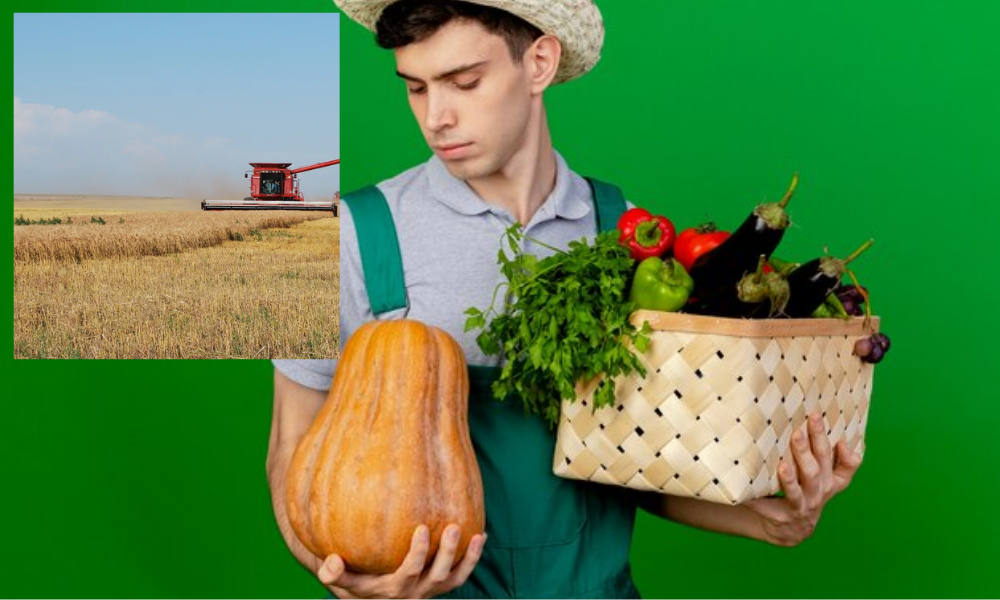
The idea behind harvest-in-weeks appeals to almost every beginner gardener because it promises visible results without a long wait. Instead of planting crops that need several months before they are ready, this approach focuses on fast-growing greens, roots, and herbs that can reward your effort much sooner. In gardening terms, a harvest is the act or season of gathering mature crops, and many popular quick crops can be picked in roughly three to eight weeks depending on the plant and growing conditions. Fast leafy greens and root vegetables are especially attractive because they germinate quickly and often give growers an early sense of success.
Quick Bio
| Category | Details |
|---|---|
| Focus Keyword | harvest-in-weeks |
| Main Topic | Fast-growing crops for home gardens |
| Best For | Beginners, small gardens, containers |
| Common Crop Types | Leafy greens, radishes, herbs, baby roots |
| Typical Harvest Window | Around 18 to 60 days |
| Fastest Examples | Arugula, spring mix, radishes |
| Growing Style | Raised beds, containers, balcony gardens |
| Skill Level | Beginner-friendly |
| Main Benefit | Faster results and repeated harvests |
| Ideal Goal | Quick, fresh food from a small space |
What Does harvest-in-weeks Really Mean?
At its core, harvest-in-weeks is a gardening concept built around speed, simplicity, and satisfaction. It usually refers to crops that can go from seed to harvest much faster than traditional long-season vegetables such as tomatoes, corn, or large cabbages. This does not mean every plant is fully mature in only a couple of weeks. More often, it means you can begin picking baby leaves, tender greens, or quick roots within a short period. For many home growers, that difference matters a lot. Waiting several months can feel discouraging, especially for first-time gardeners, but harvesting something in under a month creates momentum and confidence. Fast crops also make small-space gardening more practical because you can plant, harvest, and replant more often through the season.
Why This Keyword Attracts So Much Interest
People search terms like harvest-in-weeks because they want efficiency. They want food they can grow quickly, they want useful gardening wins, and they want to avoid the frustration of slow results. Modern home gardening is no longer only about large backyards and seasonal patience. Many growers now use balconies, terrace pots, grow bags, and compact raised beds. In those spaces, quick crops are often the smartest choice. A fast-growing bed of greens feels more rewarding than a long wait for a single slow plant. That is why short-season crops have become so popular in articles, beginner guides, and quick-start garden plans. The appeal is practical, but it is also emotional. People stay more committed when they see success early.
The Best Types of Crops for harvest-in-weeks Gardening
The most effective harvest-in-weeks plants usually fall into three groups: leafy greens, root crops, and quick herbs. Leafy greens are often the fastest because they have shallow roots, grow densely, and can be cut while still young. Root crops such as radishes also perform well because some varieties mature quickly and do not need a large growing space. Herbs can be highly rewarding too, especially when the goal is not full maturity but repeated cutting of fresh leaves. This combination makes it easier for gardeners to build a productive patch even when time, space, or experience is limited. Instead of chasing every vegetable, smart growers focus on reliable quick performers and enjoy multiple small harvests instead of waiting for one big result.
Arugula Is One of the Fastest Winners
If there is one crop that perfectly represents the harvest-in-weeks idea, it is arugula. Gardening sources frequently highlight it as one of the fastest vegetables to grow because the seeds germinate quickly and the leaves can often be harvested in as little as around 18 to 21 days. That speed makes arugula ideal for impatient beginners or anyone testing a new container garden. It also gives more than one benefit. The leaves are flavorful, the plant regrows after cutting, and it does not demand a huge bed. A small tray or shallow container can often produce a useful amount. Because of that, arugula is not just fast. It is also one of the most confidence-building crops for new gardeners who want proof that their effort is working.
Spring Mix and Lettuce Give Fast, Repeat Harvests
Spring mix and loose-leaf lettuce are also excellent choices for a harvest-in-weeks setup. According to current gardening guidance, spring mix can often be ready in roughly 21 to 27 days, especially when harvested as baby leaves rather than full heads. That timing makes it one of the easiest quick crops for kitchen gardens, patio boxes, or even window-adjacent planters with good light. Another advantage is that these greens can be harvested using a cut-and-come-again method. Instead of pulling the whole plant, you cut the outer leaves and let the center continue growing. This creates repeated harvests from the same sowing and helps gardeners feel they are getting more value from limited space. Quick, attractive, and practical, salad greens are a natural fit for the keyword.
Radishes Are the Classic Quick Crop
Radishes remain one of the strongest answers to the harvest-in-weeks search because they offer speed, simplicity, and visible progress. Current gardening sources note that radishes can often be harvested in about 25 to 30 days, putting them among the quickest root crops for home growers. That short timeline matters because root vegetables often feel harder for beginners, yet radishes are usually very manageable. They sprout quickly, mature fast, and show clear progress above and below the soil. Even better, some gardeners also use the greens, which adds value to the crop. If someone wants a vegetable that feels genuinely fast without becoming too technical, radishes are usually one of the first recommendations for good reason.
Other Fast-Growing Vegetables That Fit the Theme
Beyond arugula, lettuce, and radishes, many gardeners also include spinach, baby carrots, baby beet greens, mustard greens, and certain herbs in a harvest-in-weeks plan. Not all of these are equally fast, and exact timing depends on climate, variety, and harvesting stage, but the general principle stays the same: choose plants that offer edible leaves or small roots early. In many cases, baby harvests are the real secret. A crop that might take much longer to reach full maturity can still provide usable leaves or thinnings much sooner. That strategy expands the number of crops that fit this style and gives gardeners more variety on the plate. It also makes the garden feel productive far earlier than many people expect.
Why Leafy Greens Usually Grow Faster
Leafy greens dominate the harvest-in-weeks category because their biology supports quick results. Current gardening explanations emphasize that shallow roots, low space demands, and the ability to harvest leaves before full maturity all make greens particularly fast and beginner-friendly. They do not need the same waiting period as fruiting crops that must flower, set fruit, and ripen. Instead, once the leaf growth is strong enough, they are already usable. That short path from seed to plate is exactly what many home gardeners want. It also means greens are ideal for repeated succession planting. You can sow a little this week, a little next week, and keep the harvest going rather than getting everything at once.
How to Grow a Successful harvest-in-weeks Garden
A successful harvest-in-weeks garden is not only about choosing the right crops. It also depends on how you grow them. Quick crops usually perform best in loose, fertile soil with steady moisture and adequate sunlight. Fast-growing plants do not have time to recover from poor conditions, so the basics matter more than people think. If the soil is compacted, if watering is irregular, or if the container is too shallow, growth slows down and the “weeks” promise becomes less realistic. That is why the simplest gardens often do best: clean containers, compost-rich soil, good drainage, and easy access to light. When those basics are handled well, even a modest space can produce satisfying results quickly.
Containers Make This Approach Even Easier
One reason the harvest-in-weeks concept has become so attractive is that it works very well in containers. Fast greens and small roots are ideal for balcony gardens, rooftops, patios, and tiny courtyards because they do not require deep or wide growing areas. A few boxes or grow bags can be enough to produce regular fresh leaves. For urban gardeners, that makes this keyword especially practical. You do not need a full field or a large backyard to feel successful. You just need a few dependable crops, a planting schedule, and patience for a short period rather than an entire season. The shorter wait helps make gardening feel accessible instead of overwhelming.
The Secret Is Succession Planting
One of the smartest strategies behind harvest-in-weeks gardening is succession planting. Instead of sowing all your seeds at once, you plant small batches regularly. This works especially well with greens and radishes. Current gardening advice specifically mentions repeated sowing for continued harvests, which helps avoid the problem of everything being ready at the same time. For home growers, this can be the difference between a one-time success and an ongoing kitchen supply. You might harvest one row of arugula today, another next week, and fresh radishes after that. Succession planting turns a short growth window into a longer season of rewards.
Common Mistakes That Slow Everything Down
Although the keyword sounds easy, many gardeners accidentally sabotage their own harvest-in-weeks goals. One common mistake is overcrowding. When seedlings are packed too tightly, they compete for space, water, and nutrients, which slows growth. Another issue is unrealistic expectations. Some growers assume every crop can be harvested fully in two or three weeks, when in reality many plants only offer baby leaves that early. Poor watering habits also create problems. Fast-growing crops dry out quickly, especially in containers, and inconsistent moisture can turn a quick crop into a disappointing one. Finally, planting the wrong varieties matters more than people realize. The best results usually come from choosing crops already known for short growth cycles.
Why harvest-in-weeks Is Perfect for Beginners
The biggest strength of harvest-in-weeks is psychological as much as practical. Beginners often quit gardening because nothing seems to happen for too long. Fast crops solve that problem. They germinate quickly, grow visibly, and often provide food before motivation fades. That early reward builds confidence and encourages people to learn more. It also reduces the feeling of risk. If one sowing fails, you can try again soon rather than losing an entire season. This low-pressure cycle makes quick crops one of the best entry points into home gardening. A beginner who successfully grows radishes or salad greens in a few weeks is much more likely to keep gardening than someone who starts with slow, demanding crops.
The Real Value Behind the Keyword
In the end, harvest-in-weeks is not only a catchy phrase. It reflects a practical gardening method built around speed, confidence, and smart crop selection. It helps people see that growing food does not always require a long season, a huge budget, or expert knowledge. With the right crops, even a small space can become productive surprisingly fast. That is why the keyword works so well in search. It answers a real need. People want quick wins, fresh food, and a simpler path into gardening. Fast-growing greens, radishes, and herbs deliver exactly that, making this one of the most beginner-friendly garden ideas available today.
Conclusion
The appeal of harvest-in-weeks is easy to understand. It promises something many gardeners want but do not always believe is possible: quick, visible, satisfying results. By focusing on fast-growing greens, easy root crops, and repeat harvest methods, this approach turns gardening into something more immediate and encouraging. It is especially useful for beginners, for small-space growers, and for anyone who wants fresh food without waiting through a long season.
More importantly, this keyword represents a smarter way to start. Instead of choosing difficult or slow crops first, growers can build momentum with plants that reward them quickly. Arugula, lettuce, spring mix, and radishes prove that success in the garden does not always take months. Sometimes it really can begin in just a few weeks.
FAQs
What does harvest-in-weeks mean?
It usually refers to crops that can be harvested relatively quickly, often within roughly three to eight weeks depending on the plant and growing conditions.
What are the fastest vegetables for a harvest-in-weeks garden?
Arugula, spring mix lettuce, and radishes are among the fastest commonly recommended choices.
Can beginners grow crops in just a few weeks?
Yes. Quick greens and radishes are widely considered beginner-friendly because they germinate fast and can be harvested early.
Is harvest-in-weeks possible in containers?
Yes. Many fast-growing greens and small roots grow well in containers, balcony boxes, and compact raised beds.
How can I keep harvesting for longer?
Succession planting helps a lot. Planting small batches regularly can extend your harvest period instead of giving you everything at once.