

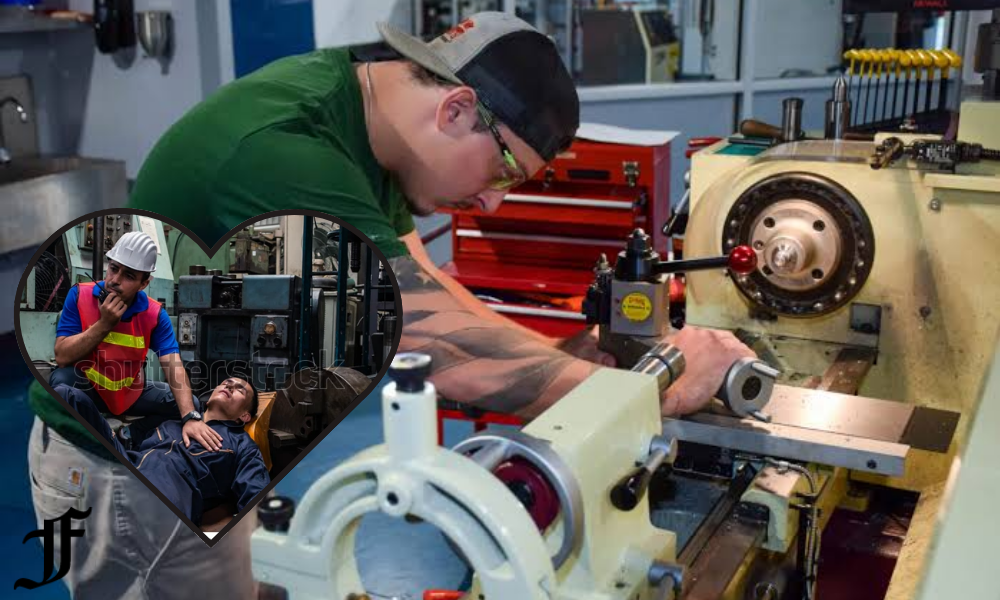
The russian lathe accident became one of the most disturbing industrial incidents discussed online, not because people needed to see graphic footage, but because it showed how quickly a normal workshop task can become fatal when rotating machinery is involved. A lathe is a powerful machine used to rotate metal, wood, or other materials while cutting, shaping, sanding, or drilling them, and safety guidance from OSHA on rotating machinery hazards clearly explains that rotating parts can catch clothing, hair, or loose material and pull a person toward the machine within seconds.
Why the Russian Lathe Accident Became So Widely Discussed
Unlike ordinary workplace injuries, this accident became known mainly through online sharing, which made it both a safety case study and an example of how traumatic videos can circulate without context.
Many people searched for the incident out of curiosity, but the more important lesson is not the footage itself. The real lesson is about machine guarding, training, emergency procedures, and respect for industrial equipment. A lathe is not dangerous because it looks dramatic; it is dangerous because it rotates with high force, often faster than a person can react.
In workshops, factories, technical schools, and repair environments, workers may become comfortable around machines they use every day. That comfort can sometimes lead to shortcuts. The russian lathe accident reminds everyone that even experienced workers can face life-threatening danger when loose clothing, gloves, tools, or body parts come too close to rotating equipment.
What Is a Lathe and Why Is It So Dangerous?
A lathe is a machine that holds and rotates a workpiece while a cutting tool shapes it. It is commonly used in metalworking, woodworking, manufacturing, automotive repair, engineering, and industrial production. The machine can create accurate cylindrical parts, threads, shafts, bushings, and custom components.
The danger comes from the spinning motion. When a chuck, shaft, spindle, or workpiece rotates, anything loose near it can become trapped. This can include sleeves, gloves, long hair, jewelry, rags, measuring tape, sandpaper, or even a tool held too close. Once something catches, the machine can pull with extreme force.
The problem is speed. A person may think they can step back quickly, but rotating machinery does not give much time. A lathe can complete many revolutions in a single second. That means a small mistake can turn into a serious accident before the operator fully understands what has happened.
The Main Safety Lesson Behind the Russian Lathe Accident
The biggest safety lesson from the russian lathe accident is simple: never treat a lathe like an ordinary tool. It is a powerful industrial machine that must be respected every time it is used.
Many workplace accidents happen when people become too familiar with equipment. A worker may think, “I have done this many times before,” or “This will only take a second.” That mindset can be dangerous. Safety rules exist because accidents do not usually happen when people expect them. They happen when attention drops, guards are missing, clothing is loose, or one step is skipped.
The accident also reminds employers that safety cannot depend only on worker experience. A safe workplace needs proper guarding, training, supervision, emergency stop systems, clear procedures, and a culture where workers are allowed to stop a task if something feels unsafe.
Common Causes of Lathe Accidents
Lathe accidents can happen for many reasons, but most are linked to a few repeated safety failures. Loose clothing is one of the most serious risks. Long sleeves, jackets, scarves, hoodie strings, and untucked shirts can catch on rotating parts.
Gloves can also be dangerous around rotating machinery. While gloves protect hands in many jobs, they can become a hazard when working near a lathe because the fabric can catch and pull the hand toward the machine. This is why many machine shops have strict rules about when gloves can and cannot be worn.
Another risk is long hair or jewelry. Rings, watches, necklaces, bracelets, and loose hair should never be near rotating equipment. Even small items can become trapped.
Poor machine guarding is another major cause. Guards help create a physical barrier between the operator and dangerous moving parts. If a guard is missing, bypassed, damaged, or ignored, the risk increases.
Lack of training also plays a major role. Some workers may know how to operate a lathe but may not fully understand what can go wrong. Training should include not just machine operation, but also hazard recognition, emergency response, and safe shutdown procedures.
Why People Should Avoid Watching Graphic Accident Videos
The russian lathe accident became viral partly because shocking videos spread quickly online. However, watching graphic workplace accidents is not necessary to understand safety. In fact, it can be harmful for many viewers.
Graphic accident videos can cause anxiety, fear, nightmares, and stress, especially for people who work with similar machines. Some machinists and students have reported becoming nervous around equipment after seeing traumatic content online. Fear does not always create better safety. Clear training, calm awareness, and proper procedures are much more useful.
There is also an ethical issue. Real accidents involve real people, families, coworkers, and communities. Sharing or watching such footage for entertainment can be disrespectful. It is better to discuss the safety lessons without turning tragedy into viral content.
What Employers Can Learn From the Russian Lathe Accident
Employers have a major responsibility to prevent lathe accidents. Safety is not just about telling workers to “be careful.” It requires a complete system.
First, every lathe should be properly guarded. Guards should protect operators from rotating chucks, exposed shafts, flying chips, and moving components. If guards make the job harder, the answer is not to remove them; the answer is to find a safer guard design or improve the process.
Second, employers should provide clear training.
Third, there should be emergency stop systems that are easy to reach. In a dangerous situation, seconds matter. Emergency controls should be visible, tested, and understood by every operator.
Fourth, supervisors should check that rules are actually followed. A safety rule written on paper is not enough. Workers need reminders, inspections, and a workplace culture where shortcuts are not accepted.
What Workers Can Learn From the Russian Lathe Accident
For workers, the most important lesson is to stay aware. Before using a lathe, check your clothing, remove jewelry, tie back hair, and make sure the area is clean.
Workers should also avoid rushing. Many accidents happen when someone wants to finish a quick job, meet a deadline, or fix a small issue without stopping the machine. A few saved seconds are never worth a serious injury.
Another important habit is speaking up. If a machine guard is missing, if the emergency stop does not work, or if a task feels unsafe, the worker should report it. A professional shop does not punish people for safety concerns. It takes them seriously.
The Role of Training in Preventing Lathe Accidents
Training should not be treated as a one-time event. A worker may receive training when hired, but safety habits need regular refreshers. Machines change, tasks change, and people forget details over time.
Good lathe training should include machine parts, safe startup, safe shutdown, correct tool use, speed selection, workpiece securing, chip control, personal protective equipment, and emergency procedures. It should also include real accident case studies, but those case studies should be presented respectfully and without graphic shock content.
The goal of training is not to scare workers. The goal is to help them understand risk clearly and act with confidence. A trained worker knows when to proceed, when to stop, and when to ask for help.
Why Machine Guards Matter
Machine guards are one of the most important parts of lathe safety. They help keep operators away from rotating parts and flying material. Some people dislike guards because they may slow down work or reduce visibility, but removing or bypassing them can create serious danger.
A good guard should be strong, properly fitted, and suitable for the task. It should not create new hazards. It should also be maintained like any other machine component. A cracked, loose, or poorly installed guard may not protect the operator properly.
The russian lathe accident is often discussed as a reminder that machine guarding is not optional. Even a skilled worker can make one wrong movement. A guard can be the difference between a close call and a tragedy.
Safe Clothing Rules Around a Lathe
Clothing rules may sound simple, but they are extremely important. Operators should wear fitted clothing with no loose sleeves, strings, or hanging fabric. Shirts should be tucked in when needed. Jackets or hoodies with drawstrings should not be worn near rotating machinery.
Jewelry should be removed before work begins. Rings are especially risky because they can catch on tools or parts. Watches and bracelets should also be taken off.
Hair should be tied back securely. A loose ponytail may not be enough if it can still fall forward. Hair coverings may be needed in some workplaces.
Footwear should also be appropriate. While shoes are not usually the main lathe hazard, industrial environments can include sharp chips, heavy parts, oil, and slippery floors. Proper shoes help reduce additional risks.
How Workshops Can Build a Better Safety Culture
A safe workshop is not created by one sign on a wall. It is created by daily habits. Workers should feel comfortable reminding each other about safety. Supervisors should lead by example. New employees should learn from experienced workers who follow correct procedures, not from people who take shortcuts.
Safety culture also means avoiding blame-only responses after incidents. When something goes wrong, the workplace should ask deeper questions. Were unsafe habits common? These questions help prevent future accidents.
A good safety culture makes safe behavior normal. Workers should not feel strange for stopping a machine before adjusting something. They should not feel pressured to ignore a guard. They should not feel embarrassed to ask questions.
The Internet’s Role in Turning Accidents Into Viral Searches
The russian lathe accident is also a lesson about how the internet handles tragedy. A workplace incident that should be treated with respect became a search trend. Many people looked for the video without thinking about the person involved or the family behind the story.
This does not mean people should ignore industrial accidents. It means people should discuss them responsibly. Articles, training sessions, and safety guides can help prevent future harm. Reposting graphic clips usually does not.
The better approach is to focus on prevention. Instead of asking where to watch the video, people should ask why the accident happened, what safety systems were missing, and how similar tragedies can be prevented.
How Lathe Operators Can Reduce Risk Every Day
Lathe safety is built through repeated habits. Before starting work, inspect the machine. Make sure the chuck key is removed. Check that the workpiece is secure. Confirm the correct speed. Make sure guards are in place. Keep the floor clear. Remove unnecessary tools from the area.
During operation, keep hands away from rotating parts. Use proper tools for chip removal. . Do not polish or sand rotating material by hand without proper procedure and supervision.
After finishing, stop the machine fully before making adjustments. Clean the area safely. Report unusual vibration, noise, or machine behavior.
Why the Russian Lathe Accident Still Matters
The reason the russian lathe accident still matters is that it represents a risk that exists in many workshops around the world. It is not only about one country, one machine, or one worker. It is about the danger of rotating equipment when safety rules are weak or ignored.
Many people who search for the incident may begin with curiosity, but they should leave with a safety lesson. Industrial machines are useful, powerful, and essential, but they demand discipline. The best way to respect the victim of any workplace tragedy is not to spread shocking footage. It is to prevent the same mistake from happening again.
Final Thoughts
. A lathe can create precise and valuable work, but it can also become deadly when safety systems fail.
Every workshop should treat this incident as a reminder to review machine guards, clothing rules, training programs, emergency stops, and daily work habits. No deadline, shortcut, or small task is worth risking a life.
The safest workers are not the ones who ignore fear. They are the ones who understand danger and follow the right steps every time.
FAQs About the Russian Lathe Accident
What was the russian lathe accident?
The russian lathe accident refers to a widely discussed industrial incident involving a lathe machine. It became known online because of its severity, but the most important discussion should be about workplace safety and prevention rather than graphic footage.
Why are lathes dangerous?
Lathes are dangerous because they rotate workpieces at high speed. Loose clothing, gloves, hair, jewelry, or tools can become caught in the rotating parts and pull a person toward the machine very quickly.
Should workers wear gloves while using a lathe?
In many lathe operations, gloves can be dangerous because they may catch on rotating parts. Workers should follow their workplace safety rules and machine-specific training.
What is the most important lathe safety rule?
One of the most important rules is to keep loose clothing, hair, jewelry, hands, and tools away from rotating parts.
Why did the russian lathe accident become viral?
It became viral because shocking industrial accident content often spreads online. However, responsible discussion should focus on safety lessons, not graphic sharing.
Is it useful to watch the accident video for safety training?
Graphic footage is not necessary for good safety training. Clear explanations, diagrams, supervised practice, and respectful case studies are safer and more effective ways to teach workers.
What should a worker do before operating a lathe?
A worker should inspect the machine, secure the workpiece, remove jewelry, tie back hair, avoid loose clothing, check guards, remove the chuck key, and make sure the work area is clean.
What should employers do after learning about accidents like this?
Employers should review their safety procedures, inspect machine guards, refresh worker training, test emergency stops, and encourage workers to report unsafe conditions immediately.
What is the main lesson of the russian lathe accident?
The main lesson is that rotating machinery can become deadly in seconds.
Visit for more info: Famousdaily.co.uk